 info@gdap.net
Dental Assistant Programs: How Much Time Do You Need to Start Your Career?
If you are thinking about a career in dentistry, you may ask yourself, How long is a dental assistant program and When can you start working. Time is a real concern if you have a job, family, or other school plans.
Most students want a clear path. They want to know how long training will last, how often they will be in class, and when they can begin earning a steady income. This guide walks through common program lengths and what they mean for your schedule and goals.
What Is a Dental Assistant Program?
A dental assistant program teaches the skills you need to support a dentist and care for patients chairside.
You learn topics such as:
- Dental anatomy and basic oral health
- Infection control and sterilization
- X-ray imaging and safety
- Dental materials and instruments
- Front office tasks and patient communication
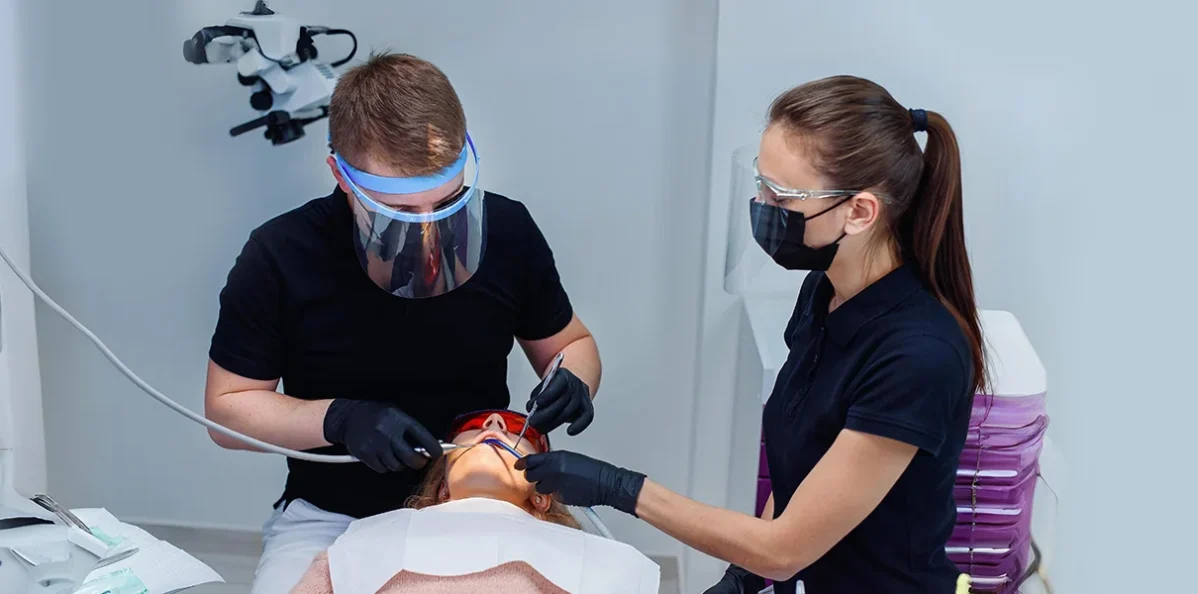
Most programs combine classroom lessons with hands-on lab time. Many also include an externship in a real dental office. The total time you spend in a program depends on how these pieces are arranged and how intense the schedule is.
Some programs run for many months with classes spread throughout the week. Others use a focused format that meets on specific days but moves at a quicker pace.
Fast-Track Options
For many students, fast-track programs are the best way to start working sooner. They are structured, clear, and goal-driven.
Weekend Dental Assistant Program
A weekend program is built for people who work or study during the week. Classes meet on Saturdays, sometimes on Sundays, over a set number of weeks.
Benefits include:
- You keep your weekday job or school schedule
- You spend your time in focused, hands-on training
- You follow a predictable calendar from start to finish
This format can feel intense because each session covers a lot of material. But you always know when you are in class and when you are free, which makes planning child care, travel, and work shifts much easier.
10-Week Dental Assistant Program
A 10-week format is one of the most direct paths into the field. In about two and a half months, you move from the first lesson to completion.
What this usually looks like:
- Regular weekly classes with lab time built in
- Step-by-step training, from basic skills to more advanced tasks
- A fixed start and end date so you can see the finish line
Students often choose this route when they want to change careers fast or enter the workforce soon after high school. The pace is brisk, but the short timeline can be a strong motivator.
If you hope to become a dental assistant in Houston, TX, a 10-week or weekend option can be a smart way to gain skills while keeping your current life on track.
Flexible Learning: Online Dental Assistant Programs
Online dental assistant programs add another layer of flexibility. Many offer video lectures, readings, and quizzes you can complete from home. Some are fully online, while others blend online lessons with in-person labs or externships.
Pros of online options:
- You can learn at home on your own schedule
- You review lessons at your own pace
- You may be able to move faster if you have more free time
Even with online learning, you still need hands-on practice. Dental assisting is a tactile job. You must feel comfortable passing instruments, taking impressions, and positioning X-ray sensors.
When you compare options, look for programs that explain how they handle clinical or lab hours. If you plan to enroll in a dental assistant course in Houston, TX, make sure any online pieces are paired with a local, in-office experience. This blend helps you feel confident when you step into your first real job.
Benefits of Choosing the Right Program Length
The “right” length is different for each student. Still, there are clear advantages when the schedule matches your needs and goals.
- Faster entry into the workforce: Short, focused programs help you start earning sooner. Instead of spending years in school, you gain practical skills in months.
- Better balance with work and family: Weekend and blended formats allow you to learn without giving up your income. You can keep supporting your household while preparing for a new career.
- Less stress and burnout: When the time commitment fits your life, you are more likely to attend every class, keep up with assignments, and perform well in labs. The program feels challenging but doable, not overwhelming.
- Clear expectations from day one: Knowing how long your training will last makes planning easier. You can mark your calendar, set a target date for job applications, and share your timeline with family and employers.
- Stronger job readiness: A well-structured program gives you enough time to practice, ask questions, and grow more confident. You learn how a dental office runs, how to speak with patients, and how to support the dentist through each procedure.
Final Thoughts
Dental assisting is a rewarding career for people who enjoy hands-on work, patient care, and a steady, structured environment. The time you invest in training can be as short as several weekends or a focused 10-week block, depending on the program you choose and the flexibility you need.
When you review options, look at more than the calendar. Ask about class size, lab time, externships, and instructor experience. The best choice is the one that fits your life now and prepares you for the long term.
If you are ready to explore your next step, a focused, supportive school such as Greatwood Dental Assisting Program can help you turn your interest in dentistry into a real career path.