 info@gdap.net
Category: Blog
How can I benefit from first aid/CPR training?
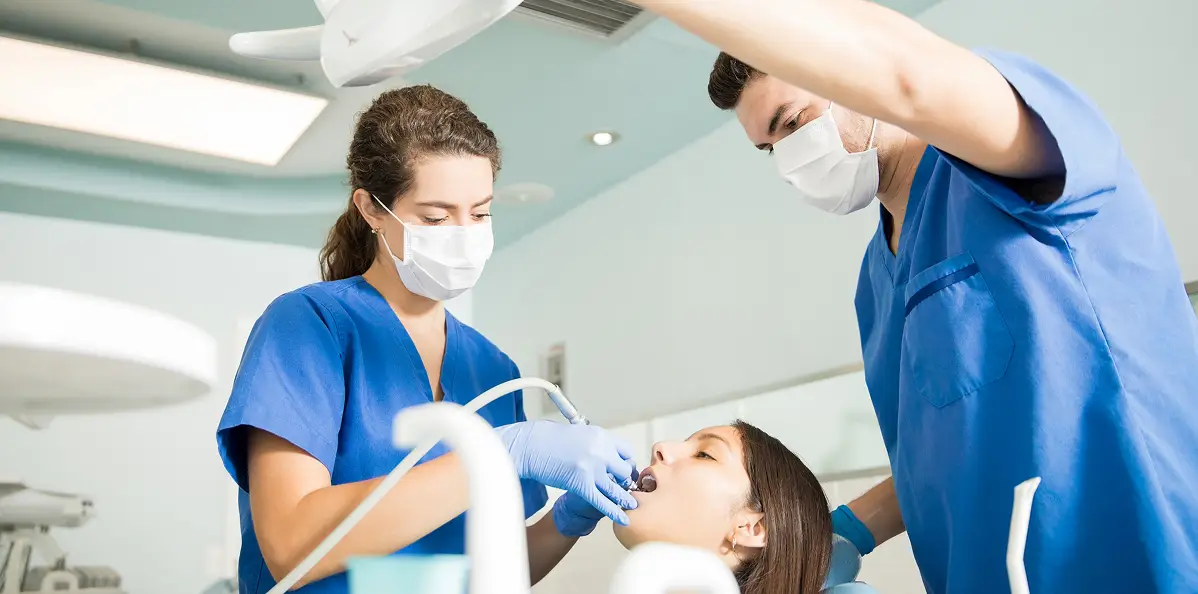
Safety should be the priority in all cases; a wise say that each second is necessary if the heart stops. Imagine if one of your dear ones is hurt and wounded or is in between life and death, you would go to any extreme to help him out. Therefore first aid/CPR training is essential. You never know when you will need it in life. Moreover, having professional training for it makes you skilled in applying the techniques, and you can save others at the time of need. The training will teach you to use the necessary aids safely and properly at the right time.
First aid
At any moment, anyone can need first aid. Let’s say, for instance, while rushing to work, and you fell down the stairs; or a child while playing got mishit and is now bleeding. Both of these situations might need immediate first aid. The problem can get any worse, and a severe medical emergency first aid can save a life. However, most of us know the necessary skills and can treat minor burns, cuts, insect stings, and similar issues. Professional training will brush up your skills.
Treating minor injuries
Mostly, a bandage is used to cover up small wounds, burns, and cuts. If the area is large, you might use gauze pads or roller bandages. Simple steps to cover the wounded area are;
- First, hold the area properly and then wrap the bandage over the wound. Completely cover the site, be careful to wrap the damage firmly.
- Next, a sticky Band-Aid will help for a small wound; however, when using gauze pads and roller bandages, fasten it with sticky tape and safety pins. This would heal the area and not let the impurities pass in.
- Finally, check that the bandage is appropriately wrapped but not very tight. In case, loosen it a bit; otherwise, the flow of blood can stop in the area and cause more significant problems. An easy way to check the limb’s blood circulation with a bandage is by pinching the finger or toenail until the color drains. Let go in a few seconds, and it will be back to normal.
First aid/CPR training for Emergencies
In an emergency like third-degree burns or if breathing stops due to drowning in water, medical help is needed immediately. However, the use of first aid or CPR can save a life till the help arrives. A properly trained individual will take the right measures by looking at the situation. A
wrong act can worsen the person’s condition in danger, and result in losing precious life. A first aid CPR done correctly can bring back the losing breath until the arrival of an ambulance.
Hence first aid/CPR training can teach life skills. Such courses are available at Greatwood Dental Assisting Program. Related programs will teach you about tackling emergencies and using appropriate techniques to save a life. Call us at (281)728-6012 or email at info@gdap.net.
Dental hygienist vs. RN; what’s the difference?
Contact Us
* Fields with asterisks are required.While discussing dental hygienist vs. RN, it seems a comparison between dentistry and medicine. However, both positions have their importance and different responsibilities. The changes and comparison in roles will help people who are deciding which career to opt for in the future. An rn or registered nurse has to have an entirely different type of education and learn other skills to work. Moreover, the salary structure also varies between the roles.
Dental hygienist vs. rn
Medicine is a vast field and plays a significant role in our life. There is hardly any person on this earth who has never visited a hospital or clinic; the scenario seems impossible. Hence, the Healthcare sector is essential, and dental hygienists and registered nurses are crucial parts. So, to compare, lets first look at the roles individually;
Role of dental hygienist
A dental hygienist plays an active part in oral health care. Treating oral diseases like gingivitis or cleaning plaque and polishing and professional cleaning of teeth comes under the hygienist’s job category. Furthermore, they help their patients in maintaining good oral hygiene and teach them the correct ways of keeping oral health. A dental hygienist’s role is at the dental clinic and various hospitals, healthcare institutes, old age centers, and schools.
Pros and cons of dental hygienist
The advantage of this role is that you don’t have to give extra hours at your duty. A hygienist never works at night, weekends, or on holidays. Furthermore, his work requires dealing with one patient at a time, treating, teaching, and guiding all the oral tips he needs. For some, this role can be a bit unexciting as the same routine continues each day. Besides, different patients come, but with similar problems each day.
Role of a registered nurse
A registered nurse has to handle the patients coming with different medical conditions. From giving medicines, checking patients to making their recovery and progress reports is her responsibility. A nurse maintains patients’ medical history and provides complete support to the doctor during the patient’s treatment procedures. Along with the hospital, she can work in camps, military bases, the aviation industry, or cruise ships.
Pros and cons of a registered nurse
The plus point of this role is that there are many areas to specialize in, and each needs a different training. So, whichever interest the nurse has, from pediatric to intensive care to rehabilitation and more, she can choose accordingly. Hence there is a variety; moreover, new cases come up every day. The work is challenging, and there is a lot to learn daily. The disadvantage is there is no fixed time, and usually, nurses have to work many hours of the day and even on weekends and holidays. There is an emotion involved in the job, and at times the patient and their families need a lot of care and support.
Call Us Now – 281-728-6012
Hence, when comparing dental hygiene vs. RN, both roles vary and need different pieces of training. To learn more about the dental training programs, contact the Greatwood Dental Assisting program. Call us at (281) 728-6012 or email at info@gdap.net.
Schedule a Campus Tour and Interview with Dr Jafferally
Want to see where you’ll be training? Schedule a one-on-one tour with Dr. Jafferally and our team to experience the facilities firsthand. Learn more about our state-of-the-art equipment, expert instructors, and comprehensive curriculum designed to fast-track your career in dental assisting.
Start your journey today and become a dental assistant with the best training in dental assistant programs in Houston, TX!
To Schedule a Tour Please Click Here
Why is Microbiology Important to the Dental Assistant?
Contact Us
* Fields with asterisks are required.As per the current trends, there is a huge demand for different posts in the field of dentistry. A dental assistant plays a key role, as he is like the dentist’s right hand. He provides services and support to him and the patients at the clinic. However, many people are not clear about an assistant’s role and requirements; and how is the study of microorganisms essential for this role. If you want to know why microbiology is important to the dental assistant, let’s read ahead to find out.
Microbiology in dentistry
First of all, it is essential to know that Microbiology is the study of tiny life forms that we cannot see with the naked eye. Many types of bacteria live in our mouth; however, only a small percentage causes oral problems like decay and diseases. Others help in digestion and protect the immune system. Hence, this study gives an insight to a dentist or dental assistant on which bacteria are harmful.
Role of a dental assistant
A dental assistant plays an essential role in the clinic; he has to be a multitasker. Few of his duties include;
- Dealing with the patients the whole time when they are at the clinic; this includes welcoming them, discussing medical history, explaining the treatment, taking X-rays, etc.
- He has to work with the dentist, make notes, prepare for surgery, and help when the need arises.
- Arrange dental tools, carefully sterilize, and place them in racks.
- Put sealant on teeth, and polish them, and much more.
Why is microbiology important to the dental assistant during COVID-19?
At the dental clinic, several patients come, and many of them are even sick. Hence, they might carry viruses and bacteria along, so the surroundings and tools must be sterilized; otherwise, it can affect staff or other patients’ health. It is necessary to follow strict practices to prevent the spread of COVID-19 as we all know that the disease is spread by a coronavirus that is not visible to the naked eye.
Safety precautions to take
The study of microbiology help determines an individual’s strength to fight the virus. However, talking about COVID-19 still much research is needed in the area; but, the dental assistant can guide patients to prevent its spread.
- Teach them to wear proper gear to avoid the spread of this disease,
- Guide them to develop the habit of staying clean and washing hands
- And talk about maintaining social distance at all times
A dental assistant will not do research on the microorganisms, but keep a safe and healthy environment using microbiology knowledge.
Call Us Now – 281-728-6012
Dental assisting program
So, why is microbiology essential to the dental assistant? Simply, to protect the health and patient’s life who arrive at the dental clinic. If you are looking forward to becoming a dental assistant, contact us at the Greatwood Dental Assisting program. We have several options available that will train you for the role. Hence, to know about various programs offered, call at (281) 728-6012 .
Schedule a Campus Tour and Interview with Dr Jafferally
Want to see where you’ll be training? Schedule a one-on-one tour with Dr. Jafferally and our team to experience the facilities firsthand. Learn more about our state-of-the-art equipment, expert instructors, and comprehensive curriculum designed to fast-track your career in dental assisting.
Start your journey today and become a dental assistant with the best training in dental assistant programs in Houston, TX!
To Schedule a Tour Please Click Here
Comparing Dental hygienist vs. Dental assistant
In general, we often mix the roles and responsibilities of a dental hygienist and dental assistant; however, the reality is different. Both have to take various pieces of training and learn various skills for their work. If you plan to take these roles, it is necessary to understand the positions, functions, and education requirements for both of these roles.
Should I be a dental assistant or hygienist?
However, both posts play a significant role in dental practices and have great importance. A dental assistant will work under a dentist’s supervision and handle all the administrative and clinical work. On the other hand, dental hygienist does not need much guidance and can work independently. Let’s compare the duties of a dental hygienist vs. a dental assistant to clearly understand their roles at the clinic.
What does a dental hygienist do?
A hygienist can either work independently or under a dentist. In this role, you can take X-rays, record the patient’s health history, and suggest their diet chart for better health. Furthermore, you can help your patients by telling them about the proper ways to brush and floss. Effective communication and interpersonal skills are necessary for this role; and often the work requires dealing with different age groups of people.
Goals to achieve
To be a hygienist, you have to get a college degree and fulfill all the state requirements. At work, you have to give sedation and medicines to the patient during dental treatment and guide them for the intake of the right amount of nutrition. When we compare this with an assistant’s work, there is a vast difference. However, the final aim of both is to take care of patients’ oral health.
Role of a dental assistant
A dental assistant is the right hand of a dentist. If you want to be in this role, you have to undertake various pieces of training to learn multiple skills. Your responsibilities would include;
- Taking patient’s X-rays, health history, and dental impressions
- Prepare charts for assisting patients at the clinic
- Help the dentist in performing treatments and give medicines as per the need.
Dental hygienists vs. Dental assistants
An assistant can become a dentist in the future and do his own clinics, after getting few licenses. He has an important role and ensures that all the work goes smoothly at the clinic. You have to be active and keep an eagle eye on day-to-day activities for this role. To sum up, a hygienist cleans and polishes patient’s teeth, checks oral diseases, and provides guidance for the best dental care. In contrast, an assistant offers dental and administrative care for the patients and assist in clinical procedures.
Training programs
When comparing the role of dental hygienists vs. Dental assistants, both posts have different needs. If you are looking to take part in training programs for any of these roles, contact us. At the Greatwood Dental Assisting program, we offer various training sessions of different lengths in different dental areas. You can easily reach us in Sugarland, Texas. To know about various programs offered, call on (281) 728-6012 , or you could email at info@gdap.net .
How to handle an emergency and perform Open airway CPR to save a life?

Saving someone’s life is one of the best feelings; hence learning CPR and first aid techniques can benefit at the time of need. After receiving the training, the individual can handle the patient in emergencies until medical help arrives. The necessity of open-air CPR can arise at any time in a heart attack or save a person from drowning. Not only doctors, dentists, nurses, and lifeguards, but others should also receive its training. Many parents have saved their children by performing CPR on them at the right time. In another situation, the husband survived a heart attack while driving as his wife gave CPR immediately before rushing him to the hospital.
Handling an emergency at home or workplace
An individual who has training for CPR is a life savior at home and workplace. Mostly heart attack or other similar emergency occurs at these places. The situation can be critical if someone immediately does not give CPR. It will save the life of your dear ones, family members, and colleagues. In the case of breathlessness or no pulse, the body stops delivering oxygen to the brain, and instant death can happen if there is no help. Medical assistance takes time to reach; hence a single training can bring a huge difference in your life. By performing a high-quality CPR, the chances of survival can double and triple. Time is the essential element at the emergency scene, and a few minutes’ delays can result in brain damage and death. Many deaths occur this way every year as nobody was there to give CPR.
How to perform open airway CPR?
During breathing, we take in air and expel carbon dioxide. Survival is impossible without it, but if the airway chokes, a person can die in a few seconds. Hence, the individual trained to do a CPR will first position the person carefully and then open the airway using chest compressions. Furthermore, he will place the palm on the person’s forehead and gently lean the head back. Using the other hand, he will lift the chin to open the airway so that breathing starts. The CPR works out perfectly when done correctly and save a life. The person can visit the hospital for further treatment. In providing first aid, Compressions are an essential part. During it, the person manually squeezes out the oxygen-rich blood from the heart and pushes it throughout the body to deliver oxygen to the brain and other organs. The number of compressions varies with the emergency.
If you do not have the proper knowledge to perform the first aid, you can only give hands-only CPR. This is the continuous chest compression until help arrives. Besides, a training course will teach you to see the pulse and breathing rate and act accordingly. Getting a good training session is necessary before performing open-air CPR as a slight wrong move can be fatal. Greatwood Dental Assisting Program provides various courses and training for CPR, first aid, and dental assisting.
10 Most Important Skills You Need as a Dental Hygienist

Contact Us
* Fields with asterisks are required.Are you wondering if you have the skills it takes to be a dental hygienist? Dental hygienists need a mix of soft and hard skills to succeed.
Here are 5 soft skills and 5 hard skills you will need to do well as a dental hygienist.
1. Oral Communication
To treat patients, you will need to talk to them. You will need to take patient histories, speak with them about their oral hygiene habits and routine, and explain what you are doing during treatments. If you struggle to communicate or are not confident, this task would be challenging for you.
2. Attention to Detail
Being detail-oriented is another crucial skill for dental hygienists. To complete treatments, you will need to carefully pay attention to what you and the dentist are doing. You will need to be able to focus on small details of patients’ teeth or gums.
3. Compassion
When you work in dental hygiene role, you will encounter people who are afraid to go to the dentist. When patients start weeping in the dental chair because they are afraid of dentists, you will have to comfort them, and for that, you need to be a compassionate person.
4. Problem Solving
Every patient is different. You will encounter unique challenges with each patient, and you will need to be a good problem solver to handle these challenges. For instance, if you have terrified patients, you will need to figure out how to ease them and complete their treatments.
5. Manual Dexterity
As a dental hygienist, you will work with sharp tools inside patients’ mouths. For that, you need to have excellent control of your hands to complete treatments safely.
6. Conducting Initial Dental Assessments
One of the hard skills required to become a dental hygiene professional is completing initial dental assessments. You will examine patients’ mouths first, and then the dentist will provide the necessary treatments.
7. Removing Deposits from Teeth
Cleaning patients’ teeth is an integral part of the dental hygienist’s job. Dental hygienists use tools to carefully remove tartar, plaque, and food debris from patients’ teeth. They also clean under the gum line to help gum disease prevention.
8. Applying Fluoride Treatments
Fluoride is a mineral that helps prevent cavities. Patients receive fluoride treatments in the dental office to keep their teeth healthy. You will need to know how to perform fluoride treatments professionally.
9. Taking X-Rays
As a dental hygienist, you will be responsible for taking x-rays of patients. Since x-rays use radiation, you will need to learn how to operate them properly. You also need training for how to position the x-ray machine to get the desired images.
Call Us Now – 281-728-6012
10. Assisting with Restorative Procedures
Hygiene professionals may also assist dentists with restorative procedures. Restorative dentistry includes fillings, root canals, or crowns. You will need to learn how these procedures are performed to be a useful dental assistant.
Schedule a Campus Tour and Interview with Dr Jafferally
Want to see where you’ll be training? Schedule a one-on-one tour with Dr. Jafferally and our team to experience the facilities firsthand. Learn more about our state-of-the-art equipment, expert instructors, and comprehensive curriculum designed to fast-track your career in dental assisting.
Start your journey today and become a dental assistant with the best training in dental assistant programs in Houston, TX!
To Schedule a Tour Please Click Here
How to Become a Dental Office Manager
It’s no surprise that dental office management attracts many dental professionals. A dental office manager supervises day-to-day office operations so that dentists can concentrate on patient care. The wide-ranging duties of managers may include maintaining appointment schedules, supervising staff, coordinating patient treatment, as well as managing finances.
What Title to Expect
The job titles for a dental office manager can vary. For example, the titles may include office manager, business manager, patient coordinator, practice administrator, or insurance and finance coordinator. Here you can see that for dental office managers, the possibilities are endless!
Salary Gains
Salaries for dental office managers depend on practice type, years of experience as a dental office manager, and size and location. Therefore, you may want to consult various sources to get the most realistic picture.
How can you become a dental office manager? Read on to learn more!
On Job Learning
Some dental office managers begin their careers working as a chairside dental assistant; while others start working at the dental office’s front desk. Some may have a degree in business, but many are trained on the job.
To test whether dental office management is the right career path for you, ask your current employer if you can become cross-trained. This approach will help you in two ways: firstly, it will help you learn about dental office management; secondly, you will be able to contribute more to the dental office by handling multiple tasks.
Pursue Education
In most cases, dental office managers have a variety of educational backgrounds. Some dental office managers have associate or bachelor’s degrees or some other type of formal education. But there are also a variety of different educational opportunities available outside of a college or university setting.
If you want to expand your dental office management knowledge, now’s a great time! Explore the course options at Greatwood Dental Assisting Program.
How Long Does Dental Assistant Training Take?
Below, we will highlight what a dental assistant (D.A.) will go through to be certified and how long this can take. If you are one of those considering a career in dental assistant work, you have a huge role to fill. This is because dental assistants ensure that patients receive the best possible care while also assisting the dentist with important procedures.
Becoming a dental assistant
Becoming a dental assistant varies anywhere from nine months to two years of additional schooling or training. A D.A. will have to achieve a typical four-year degree, but then they can earn their certification as a dental assistant.
A person can take courses at a community or vocational college to receive this certification. Nowadays, there are even online classes or training centers designated solely for people who want to be dental assistants.
Depending on the area where one lives, there might be different requirements they would have to fulfill to start a D.A. job at a dental office. Some states require a two-year associate degree while others only require a certification from a designated program.
Why it matters
For those considering a career as a D.A., it is essential to know what training would include and how long it would take. There are many important things to learn as a D.A. because you provide the best possible care to patients. Many people panic about visiting the dentist and the procedures, so dental assistants must learn how to interact with patients. Dental assistants are also responsible for assisting the dentist in any way that they can.
If you still have queries regarding dental assistant training, programs, or careers, please call us today at (281) 728-6012 . We will be more than happy to provide any necessary information to aid you in deciding to be a D.A.
Should you be a Dental Assistant or Hygienist?

It’s one of those thoughts that many dental assistants reflect on is: Should they become a dental hygienist or not? Many dental assistants prefer to stay in the occupation because they thrive in an intense, demanding position that includes challenging tasks. It also enables them to serve as the right hand of their dentists, anticipating their needs and those of the patients. Opposingly, some dental assistants become hygienists because they want to take on new responsibilities. No matter what profession you choose, here are a few things to consider in deciding whether being a dental assistant is right for you or a hygienist?
Variety of Tasks
Many dental assistants often choose to remain one because they enjoy the variety this profession offers. They assist with various dental procedures and perform tasks that they wouldn’t otherwise do if they were dental hygienists.
Patient Interaction
Although there are some repetitive characteristics of the job, being a dental hygienist allows you to work directly with the patients. You will be the one doing real talking to the patient and educating them.
Though direct patient interaction also comes with dental assisting, allowing you to develop relationships with them and better educate them about oral health.
Pay Upgrade
Both dental assisting and hygiene are fast-growing career paths. The U.S. Bureau of Labor Statistics estimates a 19% growth rate in the dental hygiene field between 2014 and 2024. Dental assistance is expected to grow 18% during the same period.
Experts caution against going into dental hygiene simply for the salary increase. Some people do it for the money, and then they end up hating it and regretting their decision.
Dental assisting allows one to take on an array of responsibilities. It also offers opportunities for career growth. That includes pursuing state credentials, or a position in a specialty practice like orthodontics.
Let us know what you think? Are you considering becoming a dental assistant or a hygienist? To discuss your options, reach out to us, we would be glad to help you make the right decision. Call us at (281) 738-6012 .
On-the-Job Training vs. Dental Assisting School

The flexibility that dental assisting offers makes it an appealing career choice. A prospective dental assistant can work his or her way into the profession by either attending dental assisting school or getting training on the job. Both options allow the students to quickly enter the field and start building their careers. However, one way may prove more beneficial than the other depending on a number of factors.
Learning the Fundamentals
Many dental assistants attending formal dental assisting programs receive a comprehensive and well-planned education. Formal education provides the students with knowledge of best practices. They learn the theories behind techniques and procedures and standardized ways of performing them. While with the on-job training, some dentists may not cover those fundamental aspects of dental assisting.
Finding the Right Dentist
A dental assistant receiving training on the job should work with dentists who are committed to both education and training.
Motivation Matters
The best on-the-job-trained assistants are self-motivated as they educate themselves inside and outside the dental office.
For some people, learning directly about professionalism, customer service, are benefits of on-the-job training. Some assisting programs incorporate clinical externships into the curriculum. This enables the assistants to receive direct experience with patients in a dental practice, allowing them to hone their professionalism and patient skills.
Back to School
However, training on the job is not suitable for everyone. The high-stress, fast-paced environment of a dental practice means assistants must learn and act fast. If one wants to learn in a controlled environment, with the ability to review concepts and practice procedures before assisting with patient treatment, dental assisting school may be a better choice.
Formal dental assisting programs also expose a future assistant to various procedures and skills he or she may not learn about with on the job training.
Keep Learning
No matter what path you choose, supplement your education and training with lifelong learning.
If you think that on-the-job training might not work for you, try our dental assisting program. For more details, call Greatwood Dental Assisting Program at (281) 728-6012 .