 info@gdap.net
Category: Blog
Are Dental Assistants in Demand? Exploring Career Opportunities
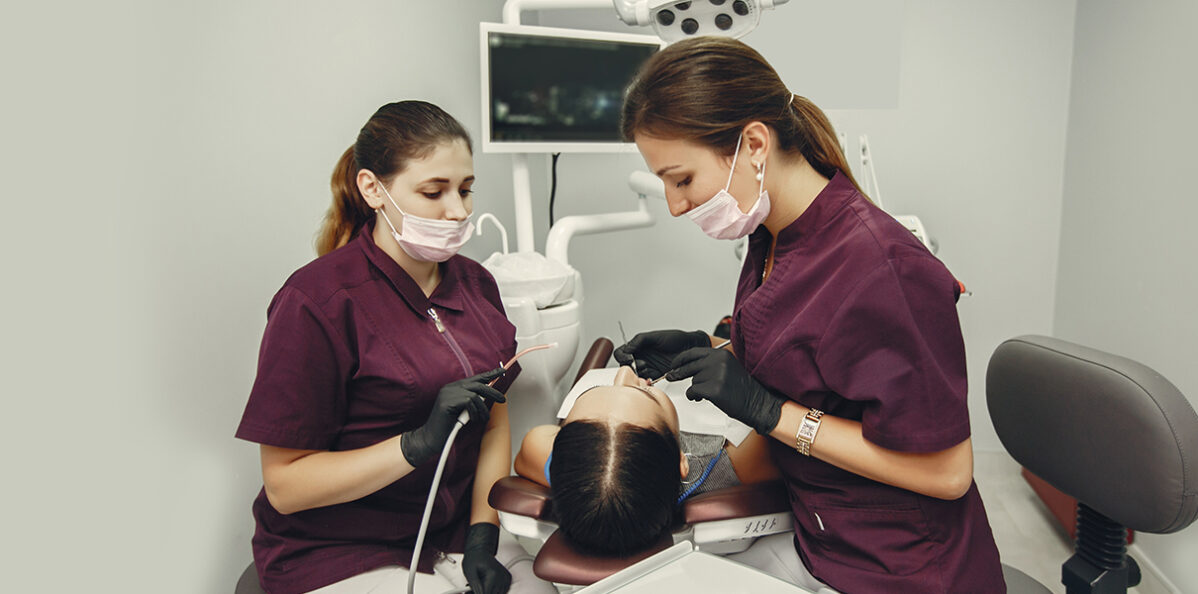
Have you ever wondered what keeps a dental office running smoothly? It’s not just the dentist—it’s the team, especially dental assistants. With the dental industry expanding rapidly, the demand for skilled professionals is higher than ever. If you’re curious about a career that’s both rewarding and in demand, you’re in the right place.
Understanding the Role of a Dental Assistant
Dental assistants perform a vital role in every dental practice. They aren’t just helping out—they’re a cornerstone of patient care and clinic efficiency.
What Do Dental Assistants Do?
Here’s a quick breakdown of their responsibilities:
- Assisting the dentist during procedures.
- Preparing instruments and sterilizing equipment.
- Taking patient X-rays and impressions.
- Ensuring patients feel comfortable before, during, and after treatment.
Skills That Make a Great Dental Assistant
If you’re considering this career, some key skills will set you apart:
- Strong communication: You’ll interact with patients and dental teams daily.
- Attention to detail: Slight errors can have big consequences in dentistry.
- A caring attitude: Patients often feel nervous, and your support matters.
Imagine walking into work knowing your role directly impacts a patient’s smile. It’s a fulfilling, hands-on job that keeps you engaged and active.
Reasons Behind the Growing Demand for Dental Assistants
- Preventive Care is a Priority
Preventive dental care has taken center stage in recent years. More people now prioritize routine checkups and cleanings to maintain oral health. This increase in patients means more support is needed in clinics, creating job opportunities for dental assistants.
- Expanding Access to Dental Care
Communities, particularly in urban areas like Houston, TX, are seeing improved access to dental services. As insurance coverage expands and people become more aware of oral health, dental practices need more hands to manage the influx of patients.
- Dentist Dependence on Skilled Assistants
Dentists rely heavily on their assistants to keep everything running. From sterilizing equipment to explaining procedures to patients, assistants are indispensable in maintaining efficiency. Their presence allows dentists to focus on delivering top-quality care.
It’s no wonder people keep asking, are dental assistants in demand? The answer is a resounding yes, and the trend shows no signs of slowing.
Job Outlook: What the Statistics Say
Impressive Growth Rates
According to recent studies, the demand for dental assistants is expected to grow by 8% in the next decade. That’s faster than the average for many professions, making this an ideal time to jump in.
Where is Demand the Highest?
Areas like Texas are leading the way in job opportunities. With a booming population and a growing focus on healthcare, dental practices in cities like Houston constantly seek skilled assistants.
Why Now is the Perfect Time
If you’ve been looking for dental assistant classes near you, there’s never been a better time to enroll. The job outlook is bright, with steady opportunities for those who want a fulfilling career.
Career Advancement Opportunities in Dental Assisting
A profession, like a dental assistant in Houston, TX, is just the beginning. Once you gain experience, there are countless ways to grow professionally.
Specialization Options
Dental assistants can specialize in fields like orthodontics, periodontics, or pediatric dentistry. These niches not only enhance your expertise but can also lead to higher pay and unique challenges.
Advancing to Leadership Roles
With experience, many dental assistants step into administrative or managerial positions. These roles involve overseeing clinic operations, handling patient scheduling, and managing teams.
Further Education Opportunities
Obtaining certifications or pursuing advanced education can open doors to roles like dental hygienist or practice manager. The flexibility of this career allows you to continue learning and growing.
The potential to specialize or move into leadership makes this a career that evolves with your goals.
Advantages of a Career as a Dental Assistant
- Job Stability
Dental assistants enjoy stable careers. With consistent demand, especially in states like Texas, you can count on job security.
- Work-Life Balance
Many dental assistants work regular hours, allowing plenty of time for family and personal life. The flexibility is a major perk for those looking to balance work and home.
- Personal Satisfaction
Helping patients feel comfortable and cared for brings immense satisfaction. When you see someone leave with a bright smile, you know you’ve made a difference.
- Competitive Pay
Dental assistants earn competitive salaries with room for growth. Whether you’re just starting out or looking for advancement, the financial rewards are attractive.
This career checks so many boxes—stability, fulfillment, and growth.
Wrapping It Up: Your Next Steps
The demand for dental assistants has never been higher, making this the perfect time to pursue a career in this rewarding field. With growing opportunities, job security, and the chance to make a real difference in patients’ lives, now is your moment. Take the first step toward your future—join the Greatwood Dental Assisting Program today and start building your career!
What Makes a Good Dental Assistant? Key Traits for Success in the Dental Field

When you walk into a dental office, many moving parts work together to ensure everything runs smoothly. Among the dental team, one key player often goes unnoticed, but their role is essential for both the dentist and the patient. Yes, I’m talking about dental assistants. So, what makes a good dental assistant? It’s not just about technical skills—though those are important. It’s also about how well they connect with patients, their ability to adapt, and how they handle a fast-paced work environment. Let’s break it down into the key traits and skills that make a dental assistant good and plentiful.
Strong Technical Skills
First and foremost, being an excellent dental assistant requires knowing your way around dental tools and procedures. From taking X-rays to sterilizing instruments and assisting the dentist during treatments, having a solid understanding of these technical tasks is critical. You’re the dentist’s right hand; they rely on you to keep everything organized and efficient.
This role requires you to be comfortable with various dental procedures and equipment. Your training in dental assistant skills in Houston, TX, will prepare you for these tasks, but the hands-on experience will fine-tune your abilities. Many dental assistants say it’s like learning on the job every day, and that’s what makes it both exciting and challenging. The more procedures you help with, the more you’ll master the techniques that keep a practice running like clockwork.
Communication and Interpersonal Skills
If one thing sets a great dental assistant apart from a good one, it’s the ability to communicate effectively. A dental assistant isn’t just helping with clinical work—they’re often the first person a patient interacts with. And let’s face it: not everyone loves going to the dentist! It’s your job to ease those nerves.
Great dental assistants know how to read people. They can sense when a patient is anxious and know exactly what to say to make them feel more comfortable. It’s more than just talking; it’s about genuinely listening and responding to the patient’s needs. In this way, strong interpersonal skills are just as crucial as technical know-how.
Whether you’re explaining a procedure, answering questions, or just making small talk, the way you communicate can set the right tone for the patient’s entire visit. A warm smile and friendly conversation go a long way in making people feel at ease. This trait will not only make you successful in your role but also ensure that patients keep coming back.
Professionalism and Motivation
Working in a dental office can be really demanding, and professionalism is critical to handling the day-to-day challenges. Dental assistants often juggle multiple tasks—assisting the dentist, interacting with patients, and managing records. Staying organized and keeping a cool head under pressure will help you thrive.
In addition, being self-motivated is essential. In this field, no one’s going to hold your hand. It would help if you took the initiative, whether preparing the treatment room before the dentist even asks or making sure patients are comfortable before sitting in the chair.
A positive attitude is essential here, too. It sets the mood for the whole office. Bringing energy and enthusiasm to your job rubs off on the people around you—your coworkers and patients alike. People appreciate being around someone helpful, hardworking, and genuinely enjoys their work. It creates a sense of teamwork and lifts the entire practice.
Adaptability and Willingness to Learn
The dental field is constantly evolving, and what was standard practice a few years ago might be different from today. An excellent dental assistant means being open to change and eager to learn new things. Whether it’s the latest technology, updated procedures, or continuing education courses, staying on top of your game is vital to success.
This willingness to grow is essential if you’re working in a place like dental assistant Houston TX, where the demand for dental care is high, and things can get busy. In environments like these, the ability to take on new challenges, adapt quickly, and keep learning makes all the difference.
The best dental assistants always continue learning. Whether you’re just starting or you’ve been in the field for years, there’s always something new to pick up. And this constant learning keeps the job fresh and exciting, ensuring you never get stuck in a routine.
Ergonomic Awareness
You might not think about it, but being a dental assistant can take a toll on your body if you’re not careful. You’re on your feet for long hours, leaning over patients, and handling equipment all day. That’s why ergonomic awareness is so important.
Taking care of your body while you work is essential for your health and career in the long run. Simple adjustments like maintaining good posture, using ergonomic tools, and taking regular breaks can help prevent work-related injuries. No one wants to end their day with a sore back or stiff neck, and by being mindful of ergonomics, you can stay healthy while doing your job well.
Teamwork and Collaboration
Being part of a dental team means you’re always working in collaboration. Dentists, hygienists, and front-office staff rely on one another to keep things running smoothly. You play a key role in this team dynamic as a dental assistant. You’re not just supporting the dentist—you’re also helping the entire office function as a unit.
Collaboration is key. You must communicate clearly with the dentist during procedures, work efficiently with other team members, and step up when someone needs an extra hand. The best dental assistants are always willing to help out and contribute to the team’s success.
In the fast-paced environment of a dental office, teamwork can mean the difference between a stressful day and a smooth one. When everyone works together, things flow more easily, patients are happier, and the office becomes a place where people enjoy coming to work.
Conclusion
A great dental assistant is a blend of many different qualities. It’s about having the technical know-how to assist the dentist effectively, but it’s also about being a compassionate communicator, a team player, and always ready to learn. From building relationships with patients to staying on top of the latest procedures, a dental assistant wears many hats—and wears them well.
If you’re considering a career in dental assisting or looking to improve your skills, remember that the journey doesn’t stop after you complete your training. Programs like the Greatwood Dental Assisting Program can help set the foundation, but the real growth happens on the job, where you learn to balance all these skills in real-world situations.
Ultimately, what makes dental assistants shine is their ability to connect with patients, adapt to change, and bring a positive attitude to the office daily. It’s a role that requires both heart and skill, and when done right, it’s incredibly rewarding—for you, the team, and, most importantly, the patients.
How to Become a Certified Dental Assistant Online
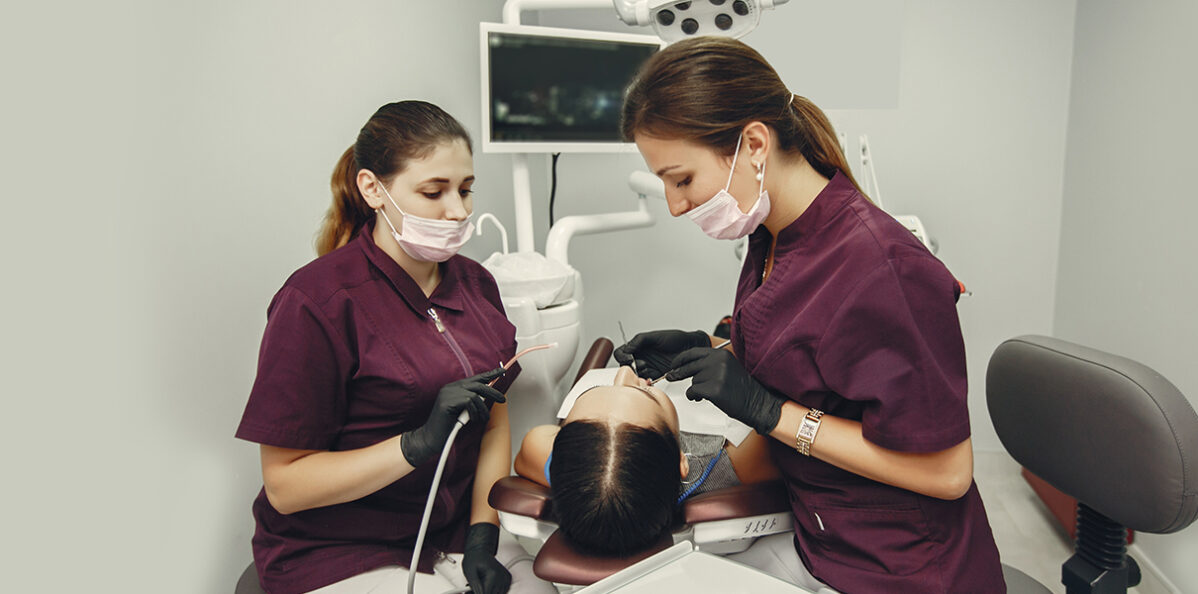
Becoming a dental assistant is a rewarding path for those interested in the healthcare field. Dental assistants play a crucial part in dental practices, supporting dentists in various tasks and ensuring patient comfort. With the growing demand for dental assistants, many people are considering this career. The good news is that you can become a certified dental assistant online, making the process more accessible and convenient. Online certification programs allow you to manage other obligations while learning at your own speed.
Understanding the Role of a Dental Assistant
To succeed as a dental assistant, certain skills are essential. Good communication is crucial since you will interact with patients and dental staff daily. Attention to detail helps ensure that procedures are followed correctly and that the dental office runs smoothly. Manual dexterity is also important, as the job often involves handling small tools and instruments.
Certification is a critical step in this profession. It not only enhances your credibility but also opens doors to better job opportunities. Employers prefer hiring certified dental assistants because it shows you have the necessary knowledge and skills to perform your duties effectively.
Benefits of Online Certification
Pursuing an online dental assistant certificate program offers many benefits. One of the biggest advantages is flexibility. Online programs are best for those who need to balance their studies with work, family, or other responsibilities. You can arrange your studies around your routine because you can finish the coursework at your own speed.
Access to a large array of programs is an additional advantage. Whether you’re looking for an online dental assistant school with a specific focus or one that offers comprehensive training, you can find a program that meets your needs. Many online programs also provide resources like virtual labs, video demonstrations, and interactive modules to enhance your learning experience.
Learning online gives you the opportunity to study from anywhere. You don’t need to relocate or commute, which saves time and money. This convenience makes online certification an attractive option for many aspiring dental assistants.
Choosing the Right Online Program
Selecting the right online dental assistant certificate program is crucial to your success. Here are some factors to consider when making your choice:
- Accreditation: Verify that the program has been accredited by a reputable accrediting authority. The program’s compliance with quality standards and the recognition of your certification by employers are ensured by accreditation.
- Reputation: Examine the standing of the organization providing the course. Seek out evaluations and quotes from former pupils. A program’s quality can be determined by looking at its success rate and positive feedback.
- Course Content: Review the course content to make sure it covers all the necessary topics, such as dental anatomy, infection control, radiography, and patient care. The program should also offer practical training components, even if it’s online.
- Duration: Consider the length of the program. Some programs may offer accelerated options if you want to complete your certification quickly, while others may allow you to take your time.
By taking the time to choose the right program, you’ll be setting yourself up for success in your journey to become a certified dental assistant online.
Steps to Getting Certified Online
The procedure of becoming a certified dental assistant online involves several steps:
- Enroll in an Online Program: Start by enrolling in an accredited online dental assistant school. Ensure the program aligns well with your career goals and schedule.
- Complete the Coursework: Once enrolled, you’ll need to complete the required coursework. This will include both theoretical knowledge and practical skills. Some programs may require you to complete hands-on training in a local dental office.
- Prepare for the Certification Exam: After you complete the coursework, you’ll need to prepare for the certification exam. Many online programs offer study guides and practice exams to help you get ready.
- Pass the Certification Exam: Finally, you must pass the certification exam to become a certified dental assistant. This exam tests your knowledge and skills, ensuring you’re prepared for the demands of the job.
Following these steps will guide you toward achieving your goal of becoming a certified dental assistant online.
Career Opportunities After Certification
Once you’ve completed your certification, a variety of career opportunities await you. Certified dental assistants are in very high demand, and you can find job opportunities in dental practices, orthodontic offices, public health clinics, and even schools.
A competitive salary is what you should anticipate as a certified dental assistant. Dental assistant pay varies based on experience and region, but being certified typically results in a higher salary than being a certified assistant.
If you wish to advance in your career, additional certifications or further education can open up new opportunities. For example, you might pursue certification in expanded functions, which allows you to perform more advanced procedures under the supervision of a dentist.
A secure, fulfilling career path with lots of opportunities for development and advancement is provided by the dental industry. By obtaining your certification online, you can take the first step toward a successful career as a dental assistant.
Conclusion
Becoming a certified dental assistant in Houston, TX, online offers numerous benefits, from flexibility to a wide range of learning options. The role of a dental assistant is both rewarding and in demand, making it a great career choice for those interested in healthcare. By choosing the right online program, completing the necessary steps, and gaining certification, you’ll be well on your way to a fulfilling career in the dental field.
Ready to take the next step toward your career as a dental assistant?
Book a consultation with the Greatwood Dental Assisting Program today to learn more about how to become a certified dental assistant online. Our advisors are here to help you find the right program to match your goals. Don’t wait—start your journey to a new career today!
The Role of Clinical Experience in Dental Assistant Certificate Programs
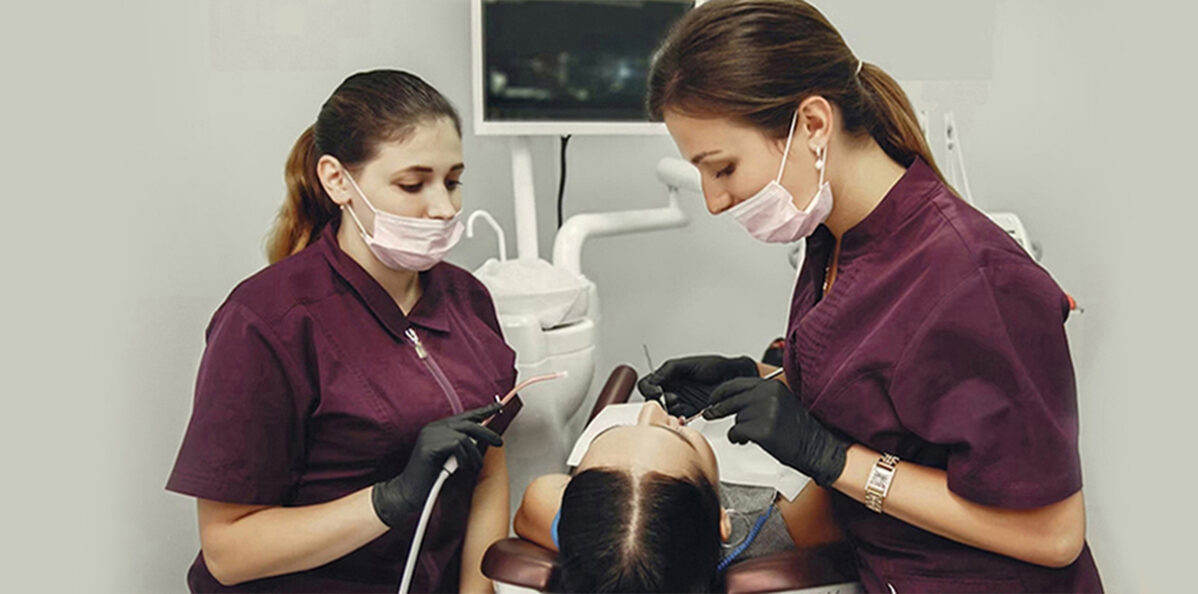
Dental assistant certificate programs serve as foundational pillars in preparing individuals for dynamic roles in dental healthcare. Essential to these programs is the integration of clinical experience, offering hands-on training that bridges theoretical knowledge with practical skills. This blend equips aspiring dental assistants with the competence needed to excel in real-world dental settings. From mastering chairside procedures to honing patient interaction skills, clinical rotations play a pivotal role in shaping confident and capable professionals. This blog explores the critical significance of clinical experience in dental assistant education, highlighting its transformative impact on career readiness and patient care.
Importance of Clinical Experience
Clinical experience in healthcare education encompasses hands-on learning in real-world settings, which is crucial for dental assistant training. It closes the gap between classroom theory and practical application, allowing students to apply learned concepts directly in patient care scenarios. For dental assistants, this means mastering chairside assistance, sterilization techniques, and patient management under real clinical conditions. This experiential learning not only enhances technical skills but also instills professionalism and adaptability in diverse dental environments.
Hands-On Training: Building Practical Skills in Dental Assisting
Hands-on training forms the backbone of dental assistant education, offering invaluable practical experience. Through supervised clinical practice, students learn to perform essential tasks like dental radiography, impressions, and instrument sterilization. This immersive approach allows for skill development in a controlled environment, preparing dental assistants to execute procedures confidently and efficiently upon graduation. Such practical training ensures proficiency in critical areas of dental practice, fostering competence and readiness for professional roles.
Enhancing Patient Interaction Skills
Effective communication and patient interaction skills are pivotal for dental assistants. Clinical experience provides opportunities to develop clear communication techniques and cultivate empathy toward patients. By engaging directly with diverse patient demographics during rotations, assistants learn to establish trust, address concerns compassionately, and ensure patient comfort throughout procedures. These interpersonal skills not only enhance patient satisfaction but also contribute to a positive dental experience, reinforcing the role of dental assistants as integral members of the dental team.
Exposure to Various Dental Specialties
Dental assistant certificate programs often include rotations through different dental specialties such as orthodontics, periodontics, endodontics, and pediatric dentistry. These rotations expose students to various dental procedures, patient demographics, and treatment approaches. By gaining exposure to diverse specialties, students acquire an intricate or detailed understanding of various aspects of dental practice, preparing them for versatile roles in different dental settings.
Career Advancement and Continued Learning
Clinical experience plays a pivotal role in advancing dental assistants’ careers. Beyond initial certification, ongoing clinical exposure supports professional growth through continuing education opportunities. These may include advanced certifications in specialized areas like pediatric dentistry or dental implants, enhancing skill sets and career prospects. Continuous learning ensures dental assistants in Houston, TX, remain current with industry trends and advancements, positioning them for long-term success and leadership roles in dental healthcare.
The Impact of Clinical Rotations on Dental Assistant Competence
Clinical rotations are instrumental in building dental assistant competence through the practical application of theoretical knowledge. By working hands-on with patients, assistants refine technical skills and gain confidence in executing procedures accurately. This real-world application not only reinforces classroom learning but also prepares assistants to troubleshoot challenges and adapt to clinical demands. This competence is essential for delivering quality patient care and upholding professional standards in dental practice.
Mentorship and Supervision During Clinical Training
Mentorship during clinical training provides invaluable guidance and support to dental assistants. Experienced supervisors offer insights and correct techniques and foster professional development through constructive feedback. This mentorship ensures that assistants not only meet competency benchmarks but also excel in clinical practice. Supervisors play a crucial role in shaping assistants’ skills, attitudes, and ethical conduct, preparing them to navigate the complexities of patient care with proficiency and professionalism.
Evaluating the Effectiveness of Clinical Experience in Certification Programs
Assessing the effectiveness of clinical experience involves evaluating specific metrics and student outcomes. Metrics may include clinical competency assessments, patient satisfaction surveys, and post-program employment rates. By tracking these metrics, we gauge the program’s impact on student learning and professional readiness. Program evaluation also involves gathering feedback from students and stakeholders to spot strengths and areas for improvement and ensure alignment with industry standards. This ongoing evaluation ensures that our dental assistant certification programs maintain high standards of education and prepare graduates for successful careers in dental healthcare.
Conclusion
In conclusion, clinical experience is the cornerstone of effective dental assistant education, offering students invaluable opportunities to apply theoretical learning in practical settings. By fostering hands-on skills, enhancing patient interaction capabilities, and exposing students to diverse dental specialties, clinical rotations ensure graduates are well-equipped for successful careers in dental healthcare. Ready to start your journey as a dental assistant? Explore the Greatwood Dental Assisting Program, recognized as one of the best dental assistant schools in Houston, TX, and launch your career with confidence. Enroll today!
How to Balance Online Dental Assistant School with a Full-Time Job

Balancing the demands of pursuing an online dental assistant school while managing a full-time job can be daunting yet rewarding. Many individuals embark on this journey seeking career advancement and personal growth. This guide explores practical strategies to navigate both commitments effectively, emphasizing the importance of time management and flexibility in learning.
Understanding the Demands of Both Commitments
Overview of the typical demands and responsibilities of a dental assistant school program
Enrolling in an online dental assistant school program introduces students to a comprehensive curriculum. This includes foundational knowledge of dental procedures, patient care techniques, dental office management, and infection control protocols. Students actively participate in lectures, complete assignments, and undergo practical training sessions. The program concentrates on developing essential skills required for a successful career in dental assisting, ensuring proficiency in assisting dentists and ensuring patient comfort.
Challenges faced by individuals balancing these with a full-time job
Balancing the demands of online dental assistant school with a full-time job presents several challenges:
- Effectively managing time between work hours and study commitments demands careful planning and discipline.
- The intensive nature of the program requires dedication and focus, often leading to a busy schedule.
- Integrating practical training sessions into work hours can pose logistical challenges.
Despite these obstacles, effective time management strategies and support from instructors and peers enable students to manage both responsibilities and excel in their studies successfully.
Time Management Strategies
Prioritization techniques for managing work, study, and personal commitments
- Prioritize tasks: Identify urgent tasks such as assignment deadlines or work projects that require immediate attention.
- Create a daily schedule: Allocate specific time slots for studying, attending classes, and fulfilling work responsibilities. Use digital tools like calendars or planners to stay organized.
- Set realistic goals: Divide larger tasks into smaller, manageable steps to maintain progress and reduce overwhelm.
- Delegate when possible: Seek assistance with non-essential tasks at work or personal responsibilities to free up study time.
Tips for creating a realistic schedule and sticking to it
- Establish a routine: Maintain consistent study times to establish a productive routine.
- Minimize distractions: Formulate a conducive study environment by reducing distractions such as phone notifications or background noise.
- Take breaks: Schedule short breaks during study sessions to maintain focus and rejuvenate.
- Regular review: Review and adjust your schedule periodically to accommodate changing priorities or unforeseen events.
Leveraging the Flexibility of Online Learning
Advantages of online learning for working professionals
- Flexibility: Online dental assistant school programs offer flexibility in scheduling classes and completing coursework, enabling students to balance studies with work commitments.
- Accessibility: You can access lectures and study materials from anywhere if you are connected to the internet, getting rid of the need to commute to a physical campus.
- Self-paced learning: One does not need to be in sync with the courses. Studying at their own pace allows students to progress at their own pace, accommodating varied work schedules and personal commitments.
How to utilize asynchronous learning to accommodate work schedules
- Plan: Review course schedules and assignment deadlines to plan study sessions around work hours.
- Optimize downtime: Utilize breaks at work or evenings to review lectures, complete assignments, or engage in online discussions.
- Stay organized: Use digital tools like calendars or reminders to track course deadlines and important dates.
Communication and Support
Importance of effective communication with instructors and peers
Effective communication with instructors and peers is crucial for clarifying doubts, seeking academic guidance, and engaging in collaborative learning activities. The Dental Assisting Program encourages open communication through email, discussion forums, and virtual office hours, fostering a supportive learning environment.
Utilizing support resources provided by the online school or program
- Virtual support services: Access academic advising, tutoring, and technical support online to address academic or technical concerns promptly.
- Peer support networks: Participate in group projects, study groups, or online forums to trade or exchange ideas and support fellow students.
Effective Study Techniques
Strategies for maximizing study time and retention of information
- Active learning: Actively engage with course materials by taking notes, summarizing key concepts, and applying theoretical knowledge to practical scenarios.
- Self-assessment: Periodically test understanding with practice quizzes or self-assessment tools provided by the program.
- Regular review: Schedule regular review sessions to reinforce learning and improve retention of information.
Incorporating practical experience into learning
- Hands-on training: Participate actively in Hands-on training at a dental assisting school to apply theoretical knowledge in real-world dental settings.
- Case studies and simulations: Analyze case studies and participate in simulated patient scenarios to enhance critical thinking and problem-solving skills.
Conclusion
Balancing online dental assistant school with a full-time job requires dedication and strategic planning. Individuals can navigate this dual commitment by understanding the demands, managing time efficiently, leveraging the flexibility of online learning, maintaining open communication, and employing effective study techniques. Remember, persistence and resilience are key to achieving your career goals in this field.
Ready to Balance Dental Assistant School and Work? Schedule Your Appointment Today!
Those aspiring to join the dental healthcare industry should consider enrolling in the Greatwood Dental Assisting Program for comprehensive training and hands-on experience. Book a consultation today to learn more about our accredited online dental assistant school in Sugar Land, Texas. Prioritize your dental career while balancing your current job with our flexible learning options.
Essential Skills and Knowledge You’ll Gain in Dental Assistant School

Beginning a career as a dental assistant is both thrilling and fulfilling. You might wonder, what will you learn in dental assistant school in Sugar Land? This journey equips you with the essential skills and knowledge to thrive in dental. From hands-on clinical practices to understanding the technical aspects of dental care, you’ll gain a comprehensive education that prepares you for real-world scenarios.
How Will You Develop Hands-On Clinical Skills?
In dental assistant school, practical clinical skills form a major part of your training. These skills are essential for direct patient care and assisting dentists effectively. Here’s how you’ll acquire these crucial abilities:
- Patient Interaction: You will learn how to interact with patients, help them feel comfortable, and take their medical histories. You’ll also practice explaining procedures clearly, which builds trust and eases patient anxiety.
- Chairside Assistance: Assisting dentists during procedures is a key skill. This includes passing instruments, managing suction devices, and preparing materials such as amalgam or composite resins. Understanding each procedure allows you to anticipate the dentist’s needs.
- Sterilization Techniques: Keeping a sterile environment is vital in dental care. You will be trained in proper methods to sterilize instruments and equipment, including operating autoclaves and other devices to ensure safety and hygiene.
- Radiography: Learning to take and process dental X-rays is another important skill. You’ll practice positioning patients and using X-ray equipment to capture clear images. Additionally, you’ll be taught to develop these X-rays and recognize basic dental structures and issues.
What Technical Knowledge Will You Acquire?
Technical knowledge is foundational for a dental assistant. Understanding the science behind dental care makes you more effective in your role. Here’s what you’ll learn:
- Dental Anatomy: You’ll study the structure of teeth, gums, and jaws, including different tooth surfaces and types. This knowledge is crucial for assisting in procedures and identifying dental problems.
- Radiography: You will gain detailed knowledge about dental radiography, learning to take and process different X-rays like bitewings, periapicals, and panoramic images. Radiation safety for patients and staff will also be covered.
- Dental Materials: Understanding the properties and uses of various dental materials is essential. You’ll learn about different filling materials, impression compounds, and other products used in dental procedures, enabling you to prepare these materials correctly and advise patients on their care.
- Infection Control: You’ll study microbiology principles and learn to prevent cross-contamination in the dental office. This includes proper hand hygiene, using personal protective equipment (PPE), and understanding sterilization and disinfection protocols.
Which Specialized Skills Will Set You Apart?
In addition to general skills, specialized training can distinguish you in the dental field. These advanced skills allow you to perform more complex tasks and work in specific areas of dentistry:
- Orthodontics: If you pursue orthodontics, you’ll learn about devices used to correct teeth alignment, such as braces and retainers. Training includes assisting with fitting and adjusting these appliances and understanding the principles of tooth movement.
- Periodontics: Specializing in periodontics involves learning to treat gum diseases. You’ll assist in procedures like scaling and root planing and understand the use of periodontal instruments. Educating patients on gum health is also part of this training.
- Pediatric Dentistry: Working with children requires unique skills. You’ll learn techniques to manage young patients’ behavior and anxiety. It is essential to comprehend the stages of dental development in children in order to provide age-appropriate care and education.
- Endodontics: This specialty focuses on root canal treatments. You’ll assist during these procedures by understanding the tools and materials used. Learning about tooth pulp anatomy and recognizing signs of infection or damage is also included.
How Will You Grow Professionally?
Professional development is an essential part of the training of dental assistants in Houston, TX. Beyond clinical and technical skills, you’ll learn how to excel in a professional environment, which is key for career growth and personal satisfaction:
- Communication Skills: Effective communication is important in healthcare. You’ll practice interacting with patients, explaining procedures, and providing post-treatment care instructions. Professional communication with colleagues and other healthcare providers ensures smooth teamwork.
- Time Management: Efficiently managing time is vital in a busy dental office. You’ll develop skills to prioritize tasks, handle multiple responsibilities, and keep the office running smoothly. This includes scheduling appointments, preparing for procedures, and maintaining patient records.
- Ethical Practices: Adhering to ethical standards in dentistry is important. You’ll learn about patient confidentiality, informed consent, and professional integrity, ensuring you provide care responsibly and maintain patient trust.
- Continuing Education: Professional growth doesn’t stop at graduation. You will be motivated to engage in continuous education to remain up-to-date with the most recent breakthroughs in dental technology and practice. By dedicating oneself to continuous learning, one may maintain a competitive edge and unlock prospects for professional growth.
Conclusion
Enrolling in a dental assistant school sets you on a path to a fulfilling career. You’ll gain comprehensive skills and knowledge that prepare you for various roles within the dental field. Whether mastering clinical tasks, acquiring technical expertise, learning specialized skills, or developing professionally, dental assistant school provides a well-rounded education. This preparation ensures you’re ready to meet the job’s demands and excel in your career.
Ready to Start Your Journey? Book Your Appointment Today!
If you’re inspired to begin your journey in dental assisting, don’t wait any longer. Discover how long dental assistant programs are available and start your journey with the Greatwood Dental Assisting Program. The skills and knowledge that are essential for achieving exceptional results will be provided to you through our comprehensive training program. Schedule your appointment now and begin the first phase of your prospective profession!
Launch Your Career: Top Dental Assistant Programs Worth Considering

Beginning a career as a dental assistant is an exciting and rewarding journey. With the right training, you’ll gain the skills to support dentists and care for patients. This guide will help you find top dental assistant programs and understand what to expect during your education and training.
What is Dental Assisting, and Is It Right for Me?
Dental assisting is a field where you support dentists in providing care to patients. It involves a mix of clinical and administrative duties. These can range from taking x-rays to managing patient records. If you enjoy working with people and are interested in healthcare, this might be a good fit.
Some points to consider:
- Do you have a passion for helping others?
- Are you detail-oriented?
- Can you work well in a team setting?
A career in dental assisting can be fulfilling if you appreciate a blend of technical tasks and patient interaction. It’s a role that demands both precision and compassion.
How Can I Read the Course Curriculum of a Dental Assistant School?
Understanding the curriculum is vital for knowing what you’ll learn. Each school typically provides details about their courses on their website. Here’s how you can dive into the curriculum:
- Visit the School’s Website: Most schools have a dedicated section for their dental assistant program. Look for links labeled “Curriculum” or “Program Details.”
- Download Brochures: Schools often offer downloadable PDFs with comprehensive program information.
- Attend Information Sessions: Many institutions host open houses or webinars discussing the curriculum in detail.
- Speak to Admissions Counselors: Contacting the school’s admissions office directly can provide you with specific insights about the courses.
- Request a Syllabus: Some schools might provide a sample syllabus or a detailed list of the courses upon request.
By taking these steps, you can get a clear picture of the subjects covered, the structure of the program, and the skills you’ll acquire.
Where Can I Find the Best Dental Assistant Program for Me?
Finding the right program involves thorough research and considering various factors. Here’s how you can identify the bestdental assistant programfor your needs:
- Location: Search for programs that are conveniently located. A dental assistant near you makes daily commuting easier and can integrate you into the local professional community.
- Accreditation: Make sure the program is accredited by recognized bodies. This guarantees that education meets certain standards.
- Reviews and Testimonials: Read what former students say about the program. Online reviews can give you a sense of the program’s strengths and weaknesses.
- Success Rates: Check the job placement rates of graduates. Programs with high placement rates typically offer good training and strong industry connections.
- Facility Visits: If possible, visit the campus. Seeing the facilities and meeting the instructors can provide valuable insights.
- Financial Aid: Consider the cost and look into financial aid options. Some schools offer scholarships, grants, or payment plans.
What Should I Expect During My Training?
Training to become a dental assistant involves combining theoretical learning and practical experience. Here’s what you can typically expect:
- Classroom Learning: Courses will cover dental anatomy, radiography, infection control, and office management. Lectures and textbooks will provide the theoretical foundation.
- Laboratory Work: You’ll practice using dental instruments, taking X-rays, and performing basic dental procedures in a controlled setting.
- Clinical Experience: Many programs include externships, during which you’ll work in actual dental offices. This hands-on experience is really crucial for developing your skills.
- Assessments: Expect regular tests, quizzes, and practical exams to assess your understanding and proficiency.
- Support Services: Many programs offer tutoring, career counseling, and job placement assistance to assist you succeed during and after your training.
This mix of learning methods ensures that by the end of your training, you’ll be well-prepared to handle the multiple responsibilities of a dental assistant.
How Do I Evaluate the Reputation of a Dental Assistant Program?
A program’s reputation can impact your career opportunities. Go for programs that are accredited by recognized organizations. Accreditation ensures that the program meets certain important quality standards.
Steps to evaluate:
- Check for accreditation status
- Read online reviews and testimonials
- Speak with alumni
Also, consider the program’s job placement rate. A high placement rate indicates that graduates are well-prepared and in demand.
What Career Opportunities Await After Graduation?
After graduating, dental assistants have various career paths available. You might work in general dental practices, specialty clinics, or educational settings. The demand for dental assistants is high, leading to strong job security.
Possible career paths include:
- General dental practice
- Orthodontic clinics
- Oral surgery offices
Additionally, with experience, some dental assistants move into roles like office managers or pursue further education to become dental hygienists.
How Can I Start My Journey Today?
Starting your journey to becoming a dental assistant is straightforward. First, research programs that interest you. Contact the schools to get more information and arrange visits if possible. Then, apply to the programs that best match your needs and goals.
Steps to begin:
- Research and shortlist programs
- Gather application materials
- Submit applications
Don’t forget to consider financial aid options. Many programs offer scholarships or payment plans to make education more accessible.
Conclusion: Why Dental Assisting is a Rewarding Career Choice
Selecting a career in dental assisting can be incredibly rewarding. It offers a chance to make a difference in people’s lives daily. The work is varied, and there are plenty of opportunities for growth and specialization.
Reasons to choose dental assisting:
- Positive impact on patient health
- Variety in daily tasks
- Strong job security and growth prospects
If you’re looking for a career that combines healthcare with hands-on work, dental assisting might be the perfect choice.
Ready to Take the Next Step? Book an Appointment to Learn More!
If you’re ready to explore your career in the Dental Assistant Program in Sugar Land, consider reaching out to the Greatwood Dental Assisting Program. We can provide all the details you need to start your journey. Book an appointment today to learn more about this rewarding field and take the first step toward a new career.
Don’t wait—your future in dental assisting is just an appointment away!
Kickstart Your Dental Career: The Insider’s Guide to Choosing the Right Assistant Program

Starting a career as a dental assistant promises an exciting journey with ample chances for personal and professional development. However, the first step in this journey is choosing the right dental assistant program. With numerous options available, aspiring dental assistants may feel overwhelmed by the selection process. This guide offers some valuable insights and advice to help you navigate the decision-making process effectively. From understanding the role of dental assistants to evaluating program accreditation and curriculum, this insider’s guide will equip you with the right knowledge and confidence to kickstart your dental career on the right path.
Who are Dental Assistants?
Dental assistants serve as essential contributors to the dental care team, collaborating with dentists to ensure the seamless functioning of dental practices. Their duties encompass assisting during procedures, sterilizing equipment, capturing patient X-rays, and instructing patients on optimal oral hygiene practices. With their diverse skill set and dedication to patient care, dental assistants near you play a vital role in ensuring positive dental experiences for patients.
Do You Have the Qualities of a Good Dental Assistant?
While technical skills are crucial for success as a dental assistant, certain personal qualities are equally important, such as:
- Strong Communication Skills: Effective communication with both patients and dental professionals is crucial for providing quality care and maintaining a positive atmosphere in the dental office.
- Attention to Detail: Dental procedures require precision and accuracy. A good dental assistant pays close attention to detail to ensure tasks are performed correctly and efficiently.
- Empathy and Compassion: Dental procedures can be stressful for patients. A compassionate dental assistant can empathize with patients’ concerns and provide reassurance and support.
- Organizational Skills: Managing patient schedules, maintaining records, and keeping the dental office organized are essential tasks for a dental assistant. Strong organizational skills help ensure smooth operations.
- Team Player: Dental assistants work closely with dentists, hygienists, and other dental staff. Fostering teamwork and engaging in effective collaboration with coworkers are vital components of delivering cohesive patient care.
- Professionalism: Upholding professional standards and ethics is crucial in the dental field. A good dental assistant demonstrates professionalism in all interactions and maintains patient confidentiality.
- Problem-Solving Skills: In the dental setting, unforeseen issues may arise during procedures. A good dental assistant can think critically and troubleshoot problems to ensure patient safety and comfort.
- Commitment to Learning: Dentistry is a dynamic field with continuous advancements. A good dental assistant prioritizes continuous learning and professional growth to remain current with the most recent practices and methods.
Understanding Dental Assistant Programs
Dental assistant programs in Sugar Land are designed to provide aspiring dental assistants with the correct knowledge and skill set needed to excel in their roles. These programs differ in length and structure, encompassing certificate programs that can be accomplished in a few months and associate degree programs that require two years. The coursework generally addresses subjects like dental anatomy, chairside assisting techniques, infection control, and radiography.
Factors to Check When Choosing a Dental Assistant Program
Several factors should be taken into account when evaluating dental assistant programs, such as:
- Accreditation and Certification Requirements: Ensure the program is accredited by recognized accrediting bodies, e.g., the Commission on Dental Accreditation (CODA). Additionally, check if the program meets the certification requirements for dental assistants set by relevant organizations like the Dental Assisting National Board (DANB).
- Program Curriculum and Hands-on Training Opportunities: Look for programs that offer a comprehensive curriculum with ample hands-on training opportunities in a clinical setting. Practical experience is crucial for developing proficiency in chairside assisting techniques, dental equipment operation, and patient interaction.
- Duration and Flexibility:Take into account the program’s length and compatibility with your schedule and lifestyle. Some programs provide adaptable scheduling alternatives, such as evening or weekend classes, which can be advantageous for working professionals or people with other obligations.
- Cost and Financial Aid Options: Evaluate the overall cost of the program, including tuition fees, books, supplies, and any additional expenses. Explore financial assistance opportunities like scholarships, grants, and student loans to assist in covering tuition fees and additional expenses.
Reasons to Become a Dental Assistant
There are several compelling reasons to pursue a career as a dental assistant, such as:
- Personal Fulfillment: Many dental assistants find fulfillment in helping others and making a positive impact on their patients’ oral health and overall well-being. The opportunity to improve patients’ smiles and alleviate their dental concerns can be incredibly rewarding.
- Job Stability and Demand: The demand for dental assistants is expected to grow in the coming years, driven by factors such as population growth, aging populations, and increased access to dental care. As such, dental assisting offers excellent job stability and prospects for long-term employment.
- Potential for Career Advancement: While dental assisting can be a rewarding career in its own right, it also serves as a stepping stone to other healthcare careers within the dental field. Through further education and training, dental assistants can advance into positions like dental hygienists, dental therapists, or dental office managers.
Conclusion
Deciding on the appropriate dental assistant program is a significant choice that can influence the direction of your dental career. By carefully evaluating aspects such as accreditation, curriculum, flexibility, and cost, you can choose a program that aligns with your aspirations and lays the foundation for your success. With utmost dedication, passion, and the right training, you can set out on a fulfilling journey as a dental assistant near you and make a meaningful difference in the lives of others.
Ready to Dive into Dentistry? Join Our Program Today!
Ready to kickstart your journey as a dental assistant? Explore the Greatwood Dental Assisting Program in Sugar Land and start building the foundation for a successful career in dentistry. Don’t miss out on this opportunity to gain valuable skills, hands-on experience, and certification in a thriving industry. Enroll now at the leading dental assistant school in Sugar Land to take the first step towards fulfilling your passion for helping others and securing a rewarding career in dental healthcare.
Navigating Challenges: What They Don’t Tell You About Dental Assistant Programs

Congratulations on taking the first step towards a rewarding career as a dental assistant! Before you begin, it’s important to understand dental assistant programs. In this guide, we’ll cover the importance of these programs, what to expect, how to choose the right one, crucial clinical training, common challenges, and tips for transitioning into the workforce.
-
- Importance of Dental Assistant Programs
The Dental Assistant Program In Sugar Land is created to train people to work in the ever-changing dental industry. These programs give aspiring dental assistants the necessary knowledge, skills, and practical experience to succeed.
-
- Overview of What to Expect
As you begin your journey to becoming a dental assistant, you will receive classroom lessons, hands-on practice, and real-life experience. These programs are designed to give you a complete understanding of dental procedures, patient care, and office management.
-
- Choosing the Right Dental Assistant Program
- Researching Different Programs
- Choosing the Right Dental Assistant Program
Conduct thorough research before committing to a dental assistant program. Explore various programs offered in your area and online, considering factors such as reputation, accreditation, and reviews from past students.
-
-
- Decision-Making Considerations
- Accreditation:Verify with established dental accrediting agencies that the program you’re considering has received their stamp of approval.
- Curriculum:Review the curriculum to ensure it covers essential topics such as dental anatomy, radiography, infection control, and chairside assisting.
- Clinical Opportunities:Look for programs that offer ample opportunities for hands-on clinical experience in natural dental settings.
- Cost and Financial Aid Options:Consider the program’s price and explore financial aid options such as scholarships, grants, and student loans.
- Decision-Making Considerations
- Clinical Training and Hands-On Experience
- The Importance of Practical Training
-
Practical training is the cornerstone of dental assistant programs. It gives students the chance to put their academic knowledge into practice in real-world situations, which is a vital skill.
-
-
- Typical Clinical Components of Dental Assistant Programs
-
A wide range of clinical skills will be covered during your course, including:
-
-
-
- Assisting dentists during procedures
- Taking and developing dental X-rays
- Sterilizing instruments and maintaining infection control protocols
- Educating patients on oral hygiene practices
- Benefits of Hands-On Experience
- Skill Development:Hands-on experience enables students to develop proficiency in clinical procedures, enhancing their employability upon graduation.
- Confidence Building:Students gain confidence in performing various dental tasks by actively participating in clinical activities.
-
- Challenges Faced During Dental Assistant Programs
- Academic Demands
-
Completing a dental assistant program can be challenging, with rigorous academic coursework to navigate. To succeed, staying organized, managing your time effectively, and seeking help when needed are important.
-
-
- Balancing School and Personal Life
-
Balancing school, work, and personal life can feel overwhelming. Establishing a routine and prioritizing tasks to manage everything can help reduce stress and ensure success in your program.
-
-
- Overcoming Clinical Challenges
-
Mastering clinical skills requires patience, practice, and perseverance. Don’t be discouraged by initial setbacks; instead, embrace challenges as opportunities for growth and learning.
-
-
- Dealing with Time Management Issues
-
Time management is crucial in dental assistant programs, where coursework, clinical rotations, and externship requirements demand careful planning and organization.
-
- Tips for a Smooth Transition to the Dental Assistant Workforce
- Networking Opportunities
- Tips for a Smooth Transition to the Dental Assistant Workforce
To further your career prospects and build your professional network, participate in networking events, job fairs, and join relevant professional organizations.
-
-
- Seeking Mentorship
-
When starting out as a dental assistant, it might be helpful to find a mentor in the dentistry field who can act as a sounding board and source of information.
-
-
- Continuing Education and Professional Development
-
One way to make sure you’re up-to-date on all the newest dental technologies is to enroll in continuing education classes and get relevant certifications.
-
-
- Embracing Challenges as Learning Opportunities
-
Think of difficulties not as obstacles but as chances for personal and professional development. Remember that every obstacle you overcome makes you a stronger and more capable dental assistant.
-
- Conclusion
While dental assistant programs may present challenges, they offer invaluable opportunities for growth, learning, and professional development. By choosing the right program, embracing hands-on experience, and maintaining a positive attitude, you can pave the way for a fulfilling career in dentistry. Find a Dental Assistant near you today!
Discover Your Path to Success: Find a Dental Assistant Program Near You!
Join the ranks of those who have achieved dental excellence by completing the Greatwood Dental Assisting Program. Join us today and embark on a learning, growth, and success journey. Start your journey now and shape your future in dentistry with us.
From Aspiring to Inspiring: The Impact of Dental Assistant Programs

Are you passionate about dentistry and eager to make a positive impact in the healthcare field? If this resonates with you, starting your career as a dental assistant might be the ideal choice for you. In this blog, we will dive into the world of dental assistant programs, exploring the comprehensive training, practical skills development, and rewarding opportunities that await aspiring dental assistants. Join us as we uncover the benefits and value of dental assistant courses, shedding light on how they can shape your future and lead you toward a fulfilling career in dentistry. Let’s delve into it and uncover the exciting potentials together!
Introduction to Dental Assistant Programs: What to Expect?
Entering the world of dental assistant programs is an exciting venture for those interested in dentistry. These programs present a thorough curriculum tailored to provide you with the knowledge and competencies necessary to excel in the dental industry. Aspiring dental assistants can expect a blend of theoretical learning and hands-on training, preparing them for the multifaceted responsibilities of the profession. From learning about dental procedures to understanding patient care, dental assistant programs near you provide a solid foundation for a rewarding career in dentistry.
Core Components of Dental Assistant Training
Dental assistant training encompasses a wide range of subjects essential for success in the field. Students delve into the fundamentals of dental anatomy, physiology, and terminology, gaining a deep understanding of oral health and dental procedures. Additionally, radiography courses teach students how to capture diagnostic images, while infection control protocols ensure a safe and hygienic clinical environment. With a focus on professionalism and ethics, these training programs instill the values and principles necessary for providing quality patient care.
Practical Skills Development in Dental Assistant Programs
One of the defining features of dental assistant programs is the emphasis on practical skills development. Through hands-on training, students acquire proficiency in a variety of dental procedures, such as chairside assisting, instrument sterilization, and patient communication. Practice scenarios in a simulated clinical setting offer students valuable chances to utilize their understanding in a controlled space prior to moving into actual dental settings. By honing their clinical skills under the guidance of experienced instructors, dental assistant students gain confidence and competence in providing exceptional patient care.
Opportunities After Completing Dental Assistant Programs
Upon completing dental assistant programs from the dental assistant school in Sugar Land, graduates are well-equipped to embark on fulfilling careers in the dental field.
- Dental assistants are really important in dental offices. They help dentists during treatments, keep track of patient records, and support patients right by the chair.
- Additionally, graduates may explore opportunities in specialty dental practices, hospitals, and public health settings.
- Through additional learning and development, dental assistants can progress in their professions and seek positions like dental office managers or dental hygienists.
The possibilities are endless for those seeking a career in dental assisting.
Benefits and Value of Dental Assistant Courses
Dental assistant courses offer many benefits and significant value to individuals aspiring to enter the field of dentistry. Here is a closer look at the advantages:
- Comprehensive Education: Dental assistant programs offer an in-depth learning experience that encompasses diverse elements of dental care, such as dental anatomy, radiography, infection control, and patient interaction. Students gain a thorough understanding of dental procedures and terminology, laying a solid foundation for their future careers.
- Hands-On Training: These courses offer hands-on training opportunities that allow students to practice essential clinical skills in a simulated environment. From chairside assisting to instrument sterilization, students learn by doing, gaining practical experience that prepares them for real-world dental settings.
- Career Readiness: After finishing dental assistant programs, graduates are thoroughly equipped to join the workforce as skilled and assured dental assistants. They possess the skills, knowledge, and professionalism required to excel in dental offices, clinics, and specialty practices.
- Job Opportunities: The need for dental assistants is increasing, leading to a wealth of employment possibilities in the field. Graduates of dental assistant courses can explore a variety of career paths, including dental offices, orthodontic practices, oral surgery centers, and public health settings.
- Professional Development: Dental assistant courses promote professional development by instilling important values such as teamwork, communication, and ethical conduct. Students learn to interact effectively with patients, dentists, and other members of the dental team, fostering strong relationships in the workplace.
- Career Advancement: Dental assisting can be a fulfilling profession on its own, but dental assistant courses can also act as a springboard for future growth within the dental industry. With additional education and training, dental assistants may pursue opportunities to become dental hygienists and dental office managers or pursue specialization in areas such as orthodontics or pediatric dentistry.
- Personal Fulfillment: For many individuals, working as a dental assistant is more than just a job—it’s a source of personal fulfillment and satisfaction. Dental assistants can positively influence patients’ lives by aiding them in improving their oral health and overall wellness.
Conclusion
Dental aides have the ability to create a beneficial influence on patients’ lives by assisting them in enhancing their oral health and overall wellness. By providing comprehensive training, practical skills development, and abundant growth opportunities, these programs empower individuals to positively impact oral health care. Whether assisting chairside during dental procedures or educating patients on oral hygiene practices, dental assistants play a crucial role in promoting dental wellness and improving patient outcomes. Aspiring dental assistants can start their journey with confidence, knowing that dental assistant programs are the stepping stones to a successful and inspiring career in dentistry.
Begin Your Journey to a Dental Career Today
Ready to start your journey in dental assisting? Explore the opportunities awaiting you at the Greatwood Dental Assisting Program today! Join us and become a part of a rewarding profession dedicated to enhancing oral health and transforming smiles.