
 info@gdap.net
Category: Blog
Inside the Classroom: Navigating Core Subjects and Hands-On Training in Dental Assisting Programs

Starting the path to becoming a dental assistant offers a thrilling and informative experience. Within the structured environment of dental assistant courses, learners navigate through an extensive syllabus that includes fundamental topics and direct, hands-on practice. This blog will delve into five pivotal subtopics that form the backbone of dental assisting education, shedding light on the foundations laid in the classroom and the practical skills honed through hands-on training.
- Dental Anatomy and Physiology: Unveiling the Foundations:
The first stepping stone in dental assistant programs is the exploration of dental anatomy and physiology. Aspiring dental assistants unravel the intricate details of the oral cavity, understanding the structures and functions that make up a healthy mouth. This foundational knowledge is critical for providing effective chairside assistance, ensuring that dental assistants play a key role in supporting oral health professionals.
In dental assistant programs in Sugar Land and other locations, students delve into dental anatomy to comprehend the uniqueness of each tooth, the surrounding tissues, and the overall oral environment. This knowledge forms the basis for recognizing abnormalities, understanding treatment plans, and communicating effectively with patients.
- Radiography Essentials: Capturing Images for Diagnosis:
As we delve deeper into the curriculum, the focus shifts to radiography essentials. Dental assistants get acquainted with the art and science of capturing diagnostic images through the use of cutting-edge technology. In the Dental Assisting Program, training programs emphasize the significance of radiography in comprehensive patient care.
The integration of digital radiography in modern dental assistant programs enhances the learning experience. Students learn to capture high-quality images efficiently, minimizing radiation exposure. This not only contributes to accurate diagnoses but also aligns with contemporary practices focused on patient safety.
- Infection Control Mastery: Safeguarding Patient Health:
In the realm of dental assisting, infection control is paramount. Mastery of infection control protocols is a crucial aspect of classroom education in dental assistant programs. Students learn the latest techniques to maintain a sterile environment, safeguarding the well-being of patients and dental practitioners alike.
The curriculum emphasizes the importance of stringent infection control measures, addressing the dynamic challenges posed by evolving healthcare scenarios. By incorporating real-world scenarios into the classroom setting, dental assistant programs prepare students to implement effective infection control practices in diverse dental settings.
- Dental Materials and Equipment: Navigating the Toolbox:
An essential aspect of hands-on training is navigating the dental toolbox. Dental assistants are introduced to a plethora of materials and equipment used in various dental procedures. From dental impressions to handpieces, students become adept at identifying, handling, and assisting dentists with the array of tools essential for oral healthcare.
In dental assistant training in Sugar Land, the integration of modern dental materials and equipment ensures that students stay abreast of technological advancements. This familiarity sets the stage for seamless chairside assistance, contributing to the overall efficiency of dental practices.
- Chairside Assistance Techniques: Supporting Dentists in Procedures:
The pinnacle of hands-on training is chairside assistance techniques. In this phase, students actively engage in supporting dentists during a variety of procedures. The emphasis is not only on technical skills but also on effective communication and anticipating the needs of both the dentist and the patient.
Dental assistant programs near you, such as those in Sugar Land, focus on practical, real-world scenarios. By engaging in simulated exercises and gaining hands-on clinical experience, students cultivate the confidence and proficiency needed to deliver exceptional chairside assistance. This training guarantees that dental assistants smoothly assimilate into dental practices, enhancing the overall positive experience for patients.
Navigating the Clinical Experience: From Simulations to Real Patient Care
Navigating the clinical experience in dental assisting programs is a transformative journey that bridges theoretical knowledge with practical application. From simulations to real patient care, students undergo a crucial phase where classroom learning comes to life. Simulations serve as valuable training grounds, allowing aspiring dental assistants to practice and hone their skills in a controlled environment. These simulated scenarios help build confidence, refine techniques, and develop effective communication with peers and instructors. As students progress towards real patient care, they enter the dynamic environment of dental clinics, applying their acquired knowledge to offer hands-on assistance throughout diverse dental procedures. This hands-on experience not only solidifies their technical proficiency but also nurtures the essential interpersonal skills required for compassionate patient care. The progression from simulations to real patient interactions is a pivotal aspect of dental assisting education, ensuring that graduates are well-prepared to contribute meaningfully to the oral healthcare field.
Conclusion:
In Greatwood Dental Assisting Program education, the classroom serves as a dynamic space where theoretical knowledge and practical skills converge. From unveiling the foundations of dental anatomy to mastering the intricacies of radiography and infection control, aspiring dental assistants are equipped with the tools necessary for a successful career. The integration of modern dental materials and equipment, along with hands-on chairside assistance techniques, ensures that graduates of dental assistant programs emerge as competent and compassionate professionals ready to contribute to the world of oral healthcare.
Tooth Decay: Understanding the Stages and Discovering Effective Solutions

Tooth decay, a prevalent dental concern affecting millions globally, arises when the protective enamel coating gradually succumbs to acids produced by oral bacteria. Consulting a dentist near you becomes pivotal if you suspect symptoms like tooth sensitivity or persistent pain. Untreated cavities can escalate, leading to infections and tooth loss. Promptly scheduling an appointment with a nearby dentist addresses and averts potential dental issues.
Understanding Tooth Decay Stages
Addressing tooth decay effectively hinges on comprehending its four stages, each bearing unique characteristics and implications for oral health.
Stage 1: Enamel Demineralization
Initially, bacterial acids erode enamel without noticeable symptoms, underscoring the necessity for regular dental check-ups to detect early signs.
Stage 2: Enamel Decay
Continued acid attack manifests as visible white spots on the enamel, indicating mineral loss and heightened sensitivity, necessitating professional dental care.
Stage 3: Dentin Decay
Untreated decay advances into the softer dentin layer, causing increased sensitivity, pain while eating, and visible tooth discoloration.
Stage 4: Pulp Infection
The most advanced stage involves pulp infection, leading to intense pain, abscess formation, and systemic health concerns, often requiring root canal treatment or extraction.
Signs and Symptoms of Tooth Decay
I recognize indicators like toothache, sensitivity, visible cavities, bad breath, swollen gums, tooth mobility prompt, and timely dental check-ups for assessment and treatment.
Causes of Tooth Decay
Factors contributing to decay include poor oral hygiene, sugary or acidic consumption, dry mouth, teeth grinding, and genetic predisposition.
Importance of Regular Dental Check-ups
These appointments aid in early detection, less invasive treatments, and professional cleanings to reduce decay risk.
Preventing Tooth Decay via Oral Hygiene
Daily practices like brushing with fluoride toothpaste, flossing, limiting sugary intake, using fluoride mouthwash, and regular dental visits mitigate decay risk.
Dental Clinics in Sugar Land, TX
Sugar Land boasts reputable dental clinics offering varied services, including check-ups, fillings, root canals, and cosmetic procedures.
Toothache Relief in Sugar Land
Immediate relief for toothaches in Sugar Land includes:
- Over-the-counter pain relievers: Follow instructions and consult a professional if needed.
- Saltwater rinse: Reduces inflammation and offers temporary relief.
- Ice pack application: Numb pain and reduces swelling.
- For those seeking immediate toothache relief in Sugar Land, these remedies provide temporary solutions until professional dental care can be obtained.
Effective Solutions for Prevention
Supplement oral care with fluoride treatments, dental sealants, dietary adjustments, antibacterial mouthwash, and consistent dental visits to combat decay effectively.
Conclusion
Understanding decay stages and symptoms is pivotal for timely intervention. Prioritizing dental check-ups, proper hygiene, and seeking treatment ensures a healthy, radiant smile. Embrace preventive measures and explore opportunities at the Greatwood Dental Assisting Program – Sugar Land to contribute to preserving oral health.
What Is a Dental Assistant? Your 2024 Career Guide

In the realm of dentistry, dental assistants play a pivotal role, acting as the backbone of the dental practice. Their multifaceted responsibilities encompass not just administrative duties but also crucial patient care tasks, rendering them indispensable in the smooth functioning of dental clinics. This comprehensive guide delves into the intricacies of the role of a dental assistant, the distinction between a dental assistant and a dental hygienist, the prerequisites for entering this profession, and the essential skills required to excel in this field.
Understanding the Role of a Dental Assistant
Dental assistants play a pivotal role in the smooth functioning of a dental office. They are vital team members who support dentists in various tasks, ensuring efficient patient care and a well-organized practice environment. These professionals handle administrative and clinical responsibilities, making their roles diverse and indispensable within dentistry.
The Distinction: Dental Assistant vs. Dental Hygienist
Dental Assistant:
A dental assistant assists the dentist during patient procedures, prepares equipment, sterilizes instruments, and ensures patient comfort. They also manage administrative duties like scheduling appointments, maintaining patient records, and handling billing tasks.
Dental Hygienist:
On the other hand, a dental hygienist focuses more on preventive oral care. They perform cleanings, examine patients for signs of oral diseases, take X-rays, and educate patients on proper oral hygiene practices.
Requirements to Become a Dental Assistant
Becoming a dental assistant involves pursuing education and gaining practical experience. While requirements may vary by state, most dental assistant programs require a high school diploma or equivalent. Some programs offer certifications or diplomas, while others may require an associate degree. Additionally, hands-on training through internships or externships provides valuable real-world experience.
Essential Skills for Dental Assistants
- Communication Skills: Dental assistants interact with patients, dentists, and other staff daily. Effective communication ensures clear instructions, understanding of patient needs, and maintaining a harmonious work environment.
- Organizational Abilities: Managing administrative tasks, scheduling appointments, and maintaining equipment require strong organizational skills.
- Technical Competence: Proficiency in using dental instruments, X-ray machines, and computer software is crucial for efficient workflow.
- Attention to Detail: Precision in following protocols for infection control, equipment sterilization, and patient record-keeping is essential in dental settings.
Can I become a dental assistant without formal education?
While a formal education is typically preferred, some dental assistants receive on-the-job training. However, completing a certified program can enhance job prospects.
Are dental assistants the same as dental hygienists?
No, they have different roles. Dental assistants support dentists during procedures and handle administrative tasks, while dental hygienists focus on preventive oral care and patient education.
Greatwood Dental Assisting Program: Your Gateway to Success
Enrolling in a reputable dental assistant program like the Greatwood Dental Assisting Program equips aspiring individuals with comprehensive knowledge and hands-on training. This program offers a well-structured curriculum covering dental terminology, chairside assisting techniques, radiography, and administrative duties. Combining theoretical learning and practical experience prepares students to excel as dental assistants.
Finding a Dental Assistant Program in Sugar Land
For individuals seeking a Dental Assistant Program in Sugar Land, exploring reputable institutions offering accredited programs is essential. Conduct thorough research, considering curriculum, faculty expertise, hands-on training opportunities, and post-graduation support. Greatwood Dental Assisting Program stands out as a reliable choice, catering to students aspiring for a fulfilling career in dental assisting.
Locating a Dental Assistant Near You
Finding a Dental Assistant near me is simplified by leveraging online resources and directories. Explore local dental offices, clinics, or institutions offering dental assistant services. Additionally, online platforms and professional networks often feature job postings or information regarding nearby dental assistant programs.
Conclusion
Becoming a dental assistant requires dedication, education, and honing specific skill sets. The role of dental assistants remains crucial in supporting dental practitioners, ensuring smooth operations, and providing quality care to patients. By pursuing education from reputable programs like the Greatwood Dental Assisting Program and honing essential skills, individuals can embark on a rewarding career path in dental assisting.
Tooth Truths: Insights from a Dental Assistant in Training

Welcome to the fascinating world of dental care, where dental assistants play a pivotal role in ensuring the smooth functioning of dental practices. This article will delve into the multifaceted responsibilities and significance of dental assistants in patient care. Join us in understanding the goals and long-term aspirations of these dental professionals.
The Role of Dental Assistants in Patient Care
Maintaining good oral health is vital for overall well-being, and the role of dental assistants is fundamental in providing patients with exceptional dental services. As a prospective dental assistant, understanding your role and responsibilities is key to excelling in this field. At Greatwood Dental Assisting Program, we believe in empowering individuals with the right knowledge and skills to excel in dental assistance. In this article, we shed light on the pivotal role dental assistants play in patient care and their long-term goals in the dynamic world of dentistry.
The Responsibilities of Dental Assistants
Dental assistants are the backbone of any dental practice, providing invaluable support to dentists and patients. Their responsibilities encompass a wide range of crucial tasks, including:
- Chairside Assistance A key responsibility of a dental assistant involves supporting the dentist throughout various treatments. This involves handing instruments, keeping the patient comfortable, and ensuring a smooth flow during treatments.
- Preparation and Sterilization Dental assistants prepare the treatment area, ensuring all instruments are properly sterilized and organized for efficient use. Maintaining a clean and sterile environment is paramount in any dental setting.
- Patient Education and Comfort Dental assistants are also critical in educating patients on oral hygiene practices and post-procedure care. Their comforting presence helps alleviate anxiety and ensures a positive experience for the patient.
- Administrative Tasks Beyond clinical duties, dental assistant jobs in Sugar Land, TX, manage administrative tasks such as scheduling appointments, handling billing, and managing patient records. Their organizational skills contribute to the smooth functioning of the dental practice.
The Importance of Dental Assistants in Patient Care
Dental assistants are instrumental in providing high-quality patient care. Their presence and support during procedures assure patients, making the dental visit less daunting. This positive patient experience fosters trust and encourages regular dental check-ups, promoting oral health.
What are the Goals of a Dental Assistant?
As a dental assistant, setting goals is essential for personal and professional growth. Some primary goals include:
- Acquiring Relevant Education and Certifications
Goal-oriented dental assistants prioritize continuous learning and education. Pursuing a reputable dental assistant program in Sugar Land, such as the one offered at the Greatwood Dental Assisting Program, equips individuals with the knowledge and skills needed to excel in this field.
- Enhancing Practical Skills
Gaining hands-on experience in various dental procedures is a goal that helps dental assistants become proficient in their role. The more exposure they have, the more confident and capable they become in assisting during treatments.
- Building Strong Communication Skills
Effective communication is key in the dental setting. Dental assistants aspire to enhance their ability to communicate with patients, ensuring they understand post-operative care procedures and maintain a positive rapport.
What are Some Long-term Goals for a Dental Assistant?
Looking beyond the initial stages of their career, dental assistants often have long-term aspirations, including:
- Specialization and Advanced Training
Many dental assistants pursue further education to specialize in orthodontics, pediatric dentistry, or oral surgery. This specialization enhances their expertise and opens doors to more challenging and rewarding roles.
- Becoming a Dental Hygienist or Dentist
Some dental assistants aspire to further their education and become dental hygienists or even dentists. Starting as a dental assistant gives them valuable experience and insight into the dental field, shaping their long-term career path.
- Leadership and Management Roles
With experience, dental assistants may seek managerial or supervisory positions within dental practices. Taking on leadership roles allows them to positively influence the practice’s growth and efficiency.
In conclusion, dental assistants are indispensable members of any dental practice, contributing significantly to patient care and the overall success of the dental team. Setting short-term and long-term goals is vital for aspiring dental assistants, paving the way for a fulfilling and successful career in dental healthcare.
Dental Assisting 101: Your Starting Point to Dental Excellence

Dental assisting is an exciting and rewarding career that plays a crucial role in dentistry. If you’re considering a healthcare career and are keenly interested in oral health, becoming a dental assistant at a school in Sugar Land, TX, might be the perfect starting point. This article discusses why you should consider dental assisting as your career path, the responsibilities of the role, the requirements for pursuing this career, and how to determine if it’s the right fit for you.
Why Opt for a Career in Dental Assisting?
Are you considering a career in a dental assisting program In Sugar Land? Look no further. Greatwood Dental Assisting Program offers an exceptional dental assistant program in Sugar Land, TX, providing you with a solid starting point for a career in dental excellence. But why choose dental assisting as your career path?
Dental assisting is a rewarding profession that supports dentists in delivering quality oral health care to patients. As a dental assistant, you will find yourself at the heart of a dental practice, contributing to essential procedures and ensuring smooth operations. From patient care to administrative tasks, dental assistants play a crucial role in maintaining a conducive environment for patients and the dental team.
What Would I Do as a Dental Assistant?
As a dental assistant, your responsibilities are diverse and pivotal to the efficient functioning of a dental practice. Here’s an overview of what you can expect to do in this role:
Your responsibility includes ensuring patients’ comfort and well-being throughout their dental treatments. It includes explaining treatments, addressing their concerns, and ensuring their comfort throughout the visit.
- Assisting Dentists During Procedures
You’ll assist dentists during various dental procedures, handing them instruments, keeping the patient’s mouth dry, and anticipating their needs to ensure smooth and efficient procedures.
- Sterilizing Instruments and Equipment
Maintaining a sterile environment is paramount in dentistry. You’ll be responsible for sterilizing instruments and preparing treatment rooms for each patient.
- Taking and Developing X-Rays
You may be trained to take and develop dental X-rays, a crucial diagnostic tool that helps dentists assess oral health conditions accurately.
- Administrative Duties
Performing administrative duties like appointment scheduling, patient record management, and billing are also integral aspects of a dental assistant’s responsibilities.
What Are the Requirements for a Career as a Dental Assistant?
You’ll need the right skills, education, and mindset to kickstart your dental assistant career. Here’s what you should consider:
- Education and Training
Enroll in a reputable dental assistant program like the one Greatwood Dental Assisting Program offers in Sugar Land. Look for programs that provide comprehensive training, covering both theoretical knowledge and practical skills.
- Certification and Licensing
In some states, dental assistants need to be certified or licensed. Check the requirements in your area and ensure you fulfill them to practice as a dental assistant.
- Essential Skills
Develop strong communication skills, attention to detail, and empathy. These qualities are vital in providing exceptional patient care and effectively collaborating with the dental team.
- Continuous Learning
Stay updated with advancements in dental technology and procedures by engaging in continuous education and professional development.
How Do I Know if Dental Assisting is Right for Me?
Dental assisting might be the right career path for you if you enjoy working in a collaborative healthcare environment, have an interest in oral health and like the idea of making a difference in people’s lives. Consider shadowing a dental assistant or reaching out to professionals in the field to understand the day-to-day responsibilities and work culture better.
Does dental assisting align with your interests and goals? Consider the following aspects:
- Passion for Oral Health
Dental assisting is a perfect fit if you have a genuine interest in oral health and helping people maintain their smiles.
- Desire for a Fulfilling Career
Being a dental assistant allows you to make a difference in people’s lives by contributing to their overall health and well-being.
- Enjoy a Collaborative Environment
Dental assisting allows one to work closely with a dental team, fostering a collaborative and supportive work environment.
Conclusion
Embarking on a dental assistant career through a well-structured program like the one offered by the Greatwood Dental Assisting Program in Sugar Land is your gateway to dental excellence. By honing your skills and gaining the necessary education and training, you can step confidently into a profession that promises growth and allows you to impact others positively.
Mastering the Art of Dental Assisting: A Comprehensive Guide to Excelling in a Dental Assistant Program

Contact Us
* Fields with asterisks are required.Welcome to the ultimate guide to excelling in a dental assistant program in Sugar Land, Texas, we take immense pride in providing top-notch dental assistant courses that equip aspiring dental assistants with the skills and knowledge necessary to thrive in the field. In this thorough article, we will lead you through the journey to excellence in dental assisting, explore various dental specializations, and highlight the roles and responsibilities of dental assistants across different specialties.
The Journey to Excellence in Dental Assisting
Becoming a skilled dental assistant is not just about obtaining a certificate or diploma; it’s a continuous learning and dedication journey. Our dental assistant program in Sugar Land, Texas, supplies a comprehensive curriculum to prepare students for success in the dental industry. Our experienced instructors provide hands-on training and theoretical knowledge to create a well-rounded educational experience.
Why Choose Greatwood Dental Assisting Program?
At Greatwood Dental Assisting Program, we believe in setting our students up for success. Our program boasts several key advantages:
- Accredited and Reputable: Our program is fully accredited, ensuring you receive the highest caliber education and training. We have built a strong reputation for producing competent and skilled dental assistants.
- Hands-on Training: Practical experience is essential for a dental assistant’s career. Our program includes extensive hands-on training, allowing students to develop essential skills employers value.
- Small Class Sizes: We maintain small class sizes to provide personalized attention to each student, fostering a conducive learning environment.
- Experienced Faculty: Our instructors are experienced dental professionals passionate about teaching and leading the next generation of dental assistants.
The Curriculum and What to Expect
Our dental assistant program covers many topics to ensure you are well-prepared for your career. Some of the key subjects include:
- Dental Anatomy and Terminology: Understanding the intricacies of dental anatomy and terminology is crucial for effective communication and patient care.
- Radiography Techniques: You will learn about dental X-rays, safety protocols, and how to capture clear and accurate images.
- Infection Control Procedures: Dental assistants are critical in maintaining a sterile and safe environment. Our program emphasizes best practices for infection control.
- Chairside Assisting: Learn the essentials of assisting the dentist during dental procedures.
- Patient Care and Communication: Develop strong communication skills to interact with patients, making them feel comfortable during dental visits.
Exploring Dental Specializations: An Overview
The field of dentistry offers various specializations that dental assistants can explore. While our dental assistant program provides a solid foundation, understanding these specialties can help you choose a path that lines up with your interests and career goals.
- General Dentistry
General dentistry is the most common and fundamental branch of dental practice. As a dental assistant in a general dentistry setting, you will assist the dentist in diverse procedures, such as dental cleanings, fillings, and examinations. This specialization allows you to gain exposure to various dental treatments and conditions.
- Orthodontics
Orthodontics corrects dental and facial irregularities, commonly through braces or aligners. As an orthodontic dental assistant, you will aid the orthodontist in fitting braces, taking impressions, and educating patients about proper oral care with orthodontic appliances.
- Endodontics
Endodontics deals with treating dental pulp and tissues surrounding the roots of teeth. As an endodontic dental assistant, you will assist during root canal procedures and other therapies to preserve natural teeth.
- Oral Surgery
Oral surgery involves surgical procedures related to the teeth, jaw, and oral structures. Dental assistants in oral surgery play a vital role in supporting the surgeon during complex surgeries, such as tooth extractions and dental implants.
- Pediatric Dentistry
Pediatric dentistry focuses on providing dental care to children and teenagers. Dental assistants in this field must be compassionate, patient, and skilled at working with young patients.
- Periodontics
Periodontics deals with preventing, diagnosing, and treating gum diseases and other supporting structures of the teeth. As a periodontal dental assistant, you will assist in treatments like scaling and root planing.
Assisting Across Specialties: Roles and Responsibilities
Dental assistants are valuable associates of the dental team, supporting dentists and specialists across various fields. Regardless of the specialty, certain responsibilities are common to all dental assistants.
- Patient Preparation
Preparing patients for dental procedures is an essential task for dental assistants. It includes ensuring their comfort, explaining the procedure, and addressing concerns.
- Sterilizing Instruments and Equipment
Keeping a clean and sterile environment is critical to prevent infections and ensure patient safety. Dental assistants sterilize instruments and disinfect equipment after each use.
- Assisting During Procedures
During dental procedures, dental assistants provide chairside support to dentists and specialists. They hand instruments, keep the patient’s mouth dry, and take X-rays as directed.
- Record Keeping
Accurate record-keeping is a crucial aspect of a dental assistant’s role. It includes documenting patient information, treatment plans, and procedures performed.
- Educating Patients
Dental assistants educate patients about oral hygiene practices and post-treatment care. Clear communication helps patients maintain good oral health.
Call Us Now – 281-728-6012
Conclusion
Embarking on a journey toward becoming a dental assistant is an exciting and rewarding endeavor. At Greatwood Dental Assisting Program, we provide the best education and training to help you succeed in this field. Whether you specialize or work in general dentistry, our program equips you with the necessary skills and knowledge to excel.
Are you ready to take the first step toward a satisfying career as a dental assistant? Join our program today and become a valuable
Schedule a Campus Tour and Interview with Dr Jafferally
Want to see where you’ll be training? Schedule a one-on-one tour with Dr. Jafferally and our team to experience the facilities firsthand. Learn more about our state-of-the-art equipment, expert instructors, and comprehensive curriculum designed to fast-track your career in dental assisting.
Start your journey today and become a dental assistant with the best training in dental assistant programs in Houston, TX!
Effective Patient Communication: Building Trust in Your Dental Assistant Training

Contact Us
* Fields with asterisks are required.When it comes to dental assistant training, one of the most crucial skills to master is effective patient communication. As a Certified Dental Assistant, you play a pivotal role in ensuring patients feel comfortable and confident during their dental visits. Establishing trust and rapport with patients is essential for a successful dental practice, and communication skills lie at the heart of this process.
The Impact of Effective Patient Communication
In the bustling dental industry, patient communication goes beyond merely conveying information. It is about understanding each patient’s fears, concerns, and unique needs. An excellent dental assistant knows how to actively listen and empathize with patients, putting them at ease throughout their dental procedures.
Benefits of Effective Patient Communication:
- Improved Patient Satisfaction: Patients who feel heard and understood are more likely to leave the dental office satisfied with their experience. Satisfied patients are more likely to return for future treatments and recommend your services to others.
- Building Trust and Credibility: Trust is the foundation of any successful patient-dentist relationship. Effective communication helps build that trust, leading to long-lasting patient relationships and positive word-of-mouth.
- Reduced Dental Anxiety: Dental anxiety is a common issue among patients. A skilled dental assistant can use communication techniques to alleviate fear and anxiety, making dental visits more comfortable for patients.
- Enhanced Treatment Understanding: By communicating clearly and comprehensively, dental assistants can ensure patients understand their treatment plans and post-operative care instructions. This results in better treatment compliance and improved patient outcomes.
- Efficient Dental Workflow: Smooth communication between dental assistants and other professionals streamlines the workflow, improving teamwork and overall practice efficiency.
Developing Strong Communication Skills
As a dental assistant, honing your communication skills should be a top priority. Here are some strategies to help you become an effective communicator:
Active Listening: Listening is not just about hearing words; it’s about understanding the message and emotions behind them. Practice active listening by giving your complete attention to the patient, maintaining eye contact, and responding appropriately to their concerns.
- Empathy and Compassion:
Empathy lets you put yourself in the patient’s shoes, acknowledging their feelings and showing genuine compassion. This emotional connection creates a more supportive and comforting environment.
- Clear and Simple Language:
Avoid using complex dental jargon that may confuse patients. Instead, use clear and straightforward language to explain treatments, procedures, and post-operative care.
- Non-Verbal Communication:
Remember that communication is not solely verbal. Pay attention to your body language, facial expressions, and the tone of your voice. A warm and amicable demeanor can go a long way in making patients feel at ease.
- Tailoring Communication to Individual Needs:
Every patient is unique, and their communication preferences may differ. Adapt your communication style to suit each patient’s personality and comfort level.
Dental Assistant Training in Sugar Land, TX
If you want to become a dental assistant in Sugar Land, TX, look no further than the Greatwood Dental Assisting Program. Our comprehensive training program not only equips you with essential dental skills but also emphasizes the significance of effective patient communication.
Why Choose Greatwood Dental Assisting Program?
- Experienced Instructors: Our program is led by skilled dental professionals who understand the industry’s ins and outs. They provide you with top-notch education and mentorship.
- Hands-on Training: We believe in learning by doing. Our hands-on training approach allows you to practice patient communication and dental procedures in a simulated dental setting.
- State-of-the-Art Facilities: Greatwood Dental Assisting Program boasts state-of-the-art facilities, ensuring you train with the latest dental equipment and technologies.
- Externship Opportunities: As part of our program, you’ll have the chance to gain real-world experience through externship opportunities with local dental practices.
- Career Support: Our commitment to your success doesn’t end with graduation. We offer career support services to help you find employment and kick-start your dental assistant career.
Dental Assistant Training Near You
Greatwood Dental Assisting Program offers a convenient location in Sugar Land, TX, for those searching for dental assistant training near you. Our central location makes it accessible for aspiring dental assistants from neighboring communities.
The Path to a Rewarding Dental Assistant Career
By enrolling in our dental assistant training program, you’ll embark on a rewarding journey toward becoming a valued member of the dental healthcare team. As you master the art of effective patient communication, you’ll contribute significantly to the success of dental practices and positively impact the lives of your patients.
Call Us Now – 281-728-6012
Conclusion
Effective patient communication is a cornerstone of successful dental assistant training. By developing strong communication skills, dental assistants can create a welcoming and reassuring patient environment, fostering trust and loyalty. Greatwood Dental Assisting Program is a premier institution for aspiring dental assistants, offering top-notch dental assistant training in Sugar Land, TX, experienced instructors, and excellent career support. If you’re looking to launch your dental assistant career, don’t miss the opportunity to join Greatwood Dental Assisting Program.
Schedule a Campus Tour and Interview with Dr Jafferally
Want to see where you’ll be training? Schedule a one-on-one tour with Dr. Jafferally and our team to experience the facilities firsthand. Learn more about our state-of-the-art equipment, expert instructors, and comprehensive curriculum designed to fast-track your career in dental assisting.
Start your journey today and become a dental assistant with the best training in dental assistant programs in Houston, TX!
5 Reasons Continuing Education for Dental Assistants is Important

Your career is not over once your dental assisting training program ends and you take on your job — no, you can increase your skill set even more and continue to grow. While there are many career paths in front of you, continuing education as a dental assistant is something that will definitely help! In this blog, we will share why it is important to continue your education as a dental assistant.
Why Continuing Education for Dental Assistants Is Important
If you’re on the fence about continuing your education as a dental assistant, here are some reasons why you should consider it:
- Keeping Up With the Dental Field
When you pursue continuing education after becoming a dental assistant, it will help you keep up with all the updates in the dental field. This way, patients also benefit as you implement the developments in the dentistry world. Moreover, by using the latest cutting-edge technology, you can reduce patient discomfort. Learning new skills helps you stay in touch with what you learn and grow as a person. And, who knows, you might inspire someone around you! - You Become More Aware of Your Value
You can increase your sense of value by continuing your education after becoming a dental assistant. It helps you see there is so much value in what you do as well as how much you can contribute and accomplish. Dental assistants play an important role and deserve all the recognition and credit, which is exactly what learning more helps with. When you learn more, you will become more confident in handling more responsibility. This produces a positive effect on you and your workplace. After all, knowledge is power, right? - Builds & Increases Your Network
You can increase your professional network thanks to the continuing education for dental assistants. By making strong connections with the professionals in your industry as well as the area, you can open doors for more opportunities and success.A chance meeting is a wonderful way of stumbling upon an opportunity. And what better to do that than by meeting people who might lead you to a new career path and broaden your horizon? - Opportunity for Hands-On Training
If you study online, you might learn a lot in a real-life environment. Furthermore, you can add all sorts of certificates and boost your education portfolio! Studying allows you to practice the skills you are definitely going to need. Continuing education for dental assistants helps you build confidence as you receive feedback from the one teaching you. In the end, you are enriching your knowledge and building strong skills! - Learn More About Teamwork
Team-building skills are important for a successful career, and continuing education will teach you just that. You can share new ideas and opinions with others, which helps increase motivation. This helps improve patient care as well!Many courses focus on the benefits of team-building, which also highlights learning how trusting those you work with is helpful.
Takeaway
Continuing education is important for dental assistants to increase their sense of value and skills and keep them motivated! You can do all that once you successfully become a dental assistant at Greatwood Dental Assisting Program! Dial (281) 728-6012 for more information, or meet us at 19875 SW Freeway, Suite 120A, Sugar Land, Texas 77479.
5 Differences Between Dental Assistants & Orthodontic Assistants
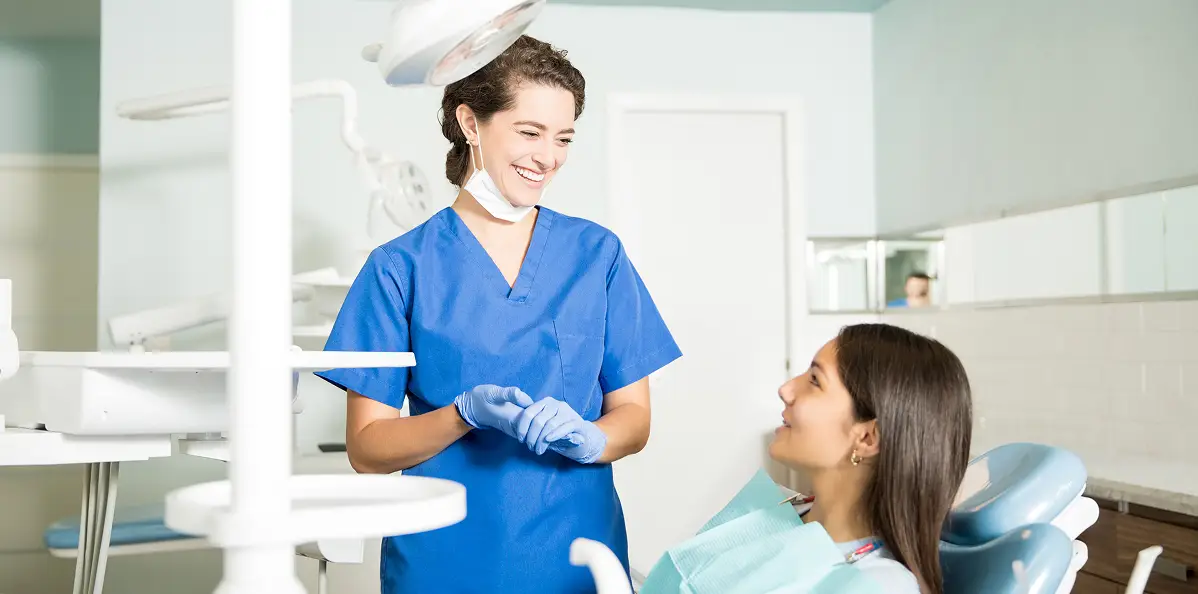
Everyone knows dentists specialize in some fields, such as orthodontics, periodontics, and more, but did you know dental assistants can expand their skill set and knowledge by opting for a certain field of dentistry as well? For instance, orthodontics focus on the structure of teeth and jaws, helping their patients align their teeth in proper positions. This aspect of dentistry can be fulfilling and fun for dental assistants, especially if they have a flair for learning about this area. So, to learn all about dental assistants and orthodontics, carry on reading this blog.
What is the Difference Between Dental Assistants & Orthodontic Assistants?
You might be wondering how exactly dental assistants are different from orthodontic assistants. While they have essentially the same job, here are some differences between the two
- Purpose: Both fields require the candidate to provide healthcare and cosmetic services. However, the difference lies in their purpose – dental assistants assess as well as maintain gum and teeth health. In contrast, orthodontic assistants are concerned with the structure of teeth and jaw, correcting their positions.
- Procedures: Another difference lies within the procedures both professionals are trusted with. An orthodontic assistant assists with X-rays, Brading, Bonding, Archwires, Impressions, and Photograph. On the other hand, dental assistants perform Bonding, Crowns, Bridges, Fillings, Tooth Extractions, and Sutures, among many others.
- Tools: Different procedures require various tools, which means dental assistants and orthodontic assistants deal with different equipment. A dentist uses dental drills, excavators, mouth mirrors, and sickle probes. Orthodontic assistants, too, are experts on devices of their own such as braces, retainers, UV curing lights, etc. There are some similar devices that orthodontics and dentists use, too, as they are from the same industry in the end.
- Career: Dental Assistants and orthodontic assistants both have distinguished career paths. When they gain sufficient experience, dental assistants can become dental hygienists, dentists, nurses, and even dental office managers. Orthodontic assistants can choose similar paths, but they also have the option to become a full-time orthodontist.
- Requirements: Assistants do not have the same educational requirements as dentists or orthodontists do. To enroll in an orthodontist assistant training program, one would need a high school diploma or a GED along with a CPR certificate. Dental assistants would require a high school diploma or GED along with CPR as well to enroll in community colleges, technical schools, or dental assisting programs.
What’s the Takeaway?
Both dental assistants and orthodontic assistants help with the procedure in their respective fields. While a dental assistant’s career focuses more on teeth and gum health as well as cleaning, orthodontics focus on the structure of teeth and jaw. This allows them to learn more about the different aspects of dentistry, and they can pursue careers of their interests as well.
If you are interested in becoming a dental assistant, Greatwood Dental Assistant Program is available at (281) 728-6012, or give us a visit at 19875 SW Freeway, Suite 120A, Sugar Land, Texas 77479 to explore more.
Infection Control in Dental Assisting: How You Can Help

With the onset of Covid-19, infection control and SOPs are highlighted everywhere. However, medical professionals have been practicing the proper methods of infection control and sanitization since the beginning. Dentistry, too, involves taking required precautions to avoid any infection breakouts or any other consequences. Dental assistants play a significant role in infection control, which is a part of their training. Imagine going to the dentist for a teeth cleaning session only to return after contracting an infection — that is exactly what a dental assistant makes sure does not happen.
Importance of Infection Control in Dental Assisting
As a dental assistant, your role in infection control is extremely significant. It’s not just a part of your to-do list — proper and thorough measures for infection control can save someone from falling victim to disease. Below, you will find a list of reasons why infection control in dental assisting is critical:
- Protecting Patients & Staff from Health Issues: A significant number of bacteria lives in our mouth. So when treating a patient’s mouth, it is necessary to pay undivided attention. While something may appear seemingly harmless, it could be deadly for others. For instance, direct contact with another person’s saliva could result in sickness and disease. Moreover, in some cases, cross-contamination could occur; when something leftover by one patient transmits to another. A dental assistant can help prevent such issues by:
- Using single-use items
- Wearing protective equipment such as gloves
- Practicing proper handwashing
- Sterilizing all dental tools
- Disinfecting dental surfaces
- Coughing or sneezing with proper etiquette and teaching the patients to do the same
- Preventing Viruses and Diseases from Spreading: With proper infection control and sterilization, you can rest assured that the patient will not transmit any diseases to you or other patients. Even better, you will not become the cause of someone else’s disease. Without proper infection control, influenza, measles, strep throat, and other conditions can spread.
- Keeping the Reputation of the Dental Office Intact: One slip-up, a minor mistake — and the reputation of the dental clinic goes down the drain. As a dental professional and dental healthcare facility, it is the responsibility of the people involved to allow no room for even a slight error. This is a heavy responsibility with no acceptable justifications. So, if improper infection control leads to a patient falling ill, it will deter people from visiting and affect the reputation of your practice.
- Promoting the Knowledge and Enlightening Everyone on Public Good: The dentist and their staff, including the dental assistant, have an obligation to educate the patients on proper dental care as well as oral hygiene. However, you should practice what you teach and implement good health practices everywhere.
- Practicing Infection Control: As a dental assistant, you can talk to your senior and implement the following infection control practices in the dental office:
- The dental team wears Personal Protective Equipment or PPE while treating patients.
- Implementing physical distancing in the office, keeping in mind the orientation and position of the chairs if you place them six feet apart.
- Before and after the procedure, the staff should wash their hands in the proper manner. Moreover, encourage the visitors to use sanitizers.
- Make sure to thoroughly and properly sterilize as well as decontaminate every dental tool or equipment.
What’s Next?
As a dental assistant, you play an essential role in practicing infection control. So, if you’re an aspiring dental assistant, contact Greatwood Dental Assisting Program now at (281) 728-6012 or visit us at 19875 SW Freeway, Suite 120A, Sugar Land, Texas 77479.