 info@gdap.net
Category: Blog
Your Guide to Dental Assistant Certification: How Long Does It Take to Become Certified?

You want a clear timeline and a simple plan for your future. You also want a career with growth potential. Many students ask: how long does it take to get dental assistant certification, and what steps matter most? I will lay out the path, show typical time frames, and give shortcuts that save weeks without cutting corners.
What Is Dental Assistant Certification?
Certification proves your skill and your commitment to safe care. Most candidates aim for a recognized credential that covers chairside skills, radiation safety, and infection control. You study targeted topics, schedule exams, and pass with scores that reflect real-world knowledge. You also complete CPR, follow your state’s rules, and document your training. When you hold a credential, you walk into interviews with confidence because your training matches what the practices need.
You learn two tracks. One track runs through a structured school program with classes and hands-on practice. The other track relies on supervised experience plus required courses. Both routes end with exams and state steps. You decide based on time, budget, and learning style. If you like clear structure and steady support, a formal program usually fits best.
Eligibility Requirements to Become Certified
You qualify through education, experience, and required safety training. Most programs ask for a high school diploma or GED. You also keep current CPR. Some states require a short course before you take radiographs. Many schools bundle those pieces into your schedule so you move faster.
Build your checklist:
- High school diploma or GED
- Current CPR from a recognized provider
- Program completion or verified experience hours
- Proof of identity and application details for state steps
- Exam registrations for chairside, radiology, and infection control
You gain an edge when you track documents from day one. Start a simple folder. Add your CPR card, transcripts, enrollment letters, and confirmations. When you submit applications, you move without delays because you have every file ready.
A quick local note
If you plan to work near Houston, employers often ask about externships and live chairside time. Compare programs that place you in real offices. Also, compare exam prep resources, evening schedules, and job support. When you search for dental assistant certification in Houston, look for programs that publish clear start dates and externship hours.
How Long Does It Typically Take to Become Certified?
Most students finish within one year, but your pace depends on your starting point and your schedule. You control more than you think. Break the journey into three parts: school, exams, and state steps.
- School or structured training
Short certificate programs often take 4 to 9 months. Associate degrees usually take 18 to 24 months. Accelerated tracks compress classes with longer weekly hours. If you work full-time, a weekend or evening format keeps you moving without burnout. - Exam preparation and testing
Many students book exams while finishing classes. You can take all components in one window or split them. Most candidates wrap testing in 4 to 12 weeks, depending on study time and test availability. - State credential tasks
You complete fingerprints, fees, and quick online modules where required. You line these steps up next to your exam schedule. Many candidates finish state items in a few weeks.
Typical scenarios
- Fast certificate path plus bundled exams: about 6 to 10 months
- Evening program plus staggered exams: about 9 to 12 months
- Associate degree plus full credential set: about 18 to 24 months
Tips to Accelerate Your Certification Process
You shorten the path when you plan your calendar with intention. Use these moves to save time without losing quality.
- Pick a program that aligns with exam content.
Ask for a syllabus that maps to chairside, radiology, and infection control. When classes match exam blueprints, you study once and test with less review. - Book exam dates on day one
Deadlines drive habits. Put dates on your calendar and work backward. You protect study blocks and skip last-minute scrambles. - Study with active recall
Use short bursts. Quiz yourself on tasks you will perform in the operatory. Tie each fact to a step you can picture during a patient visit. - Run state tasks in parallel
Finish CPR updates, background checks, and required short courses while you study. You trim weeks from your finish date. - Use externships and mentors
Ask your instructor or office mentor to quiz you during slow moments. Real scenarios lock in knowledge faster than flashcards alone.
If you want an all-in-one local option with practical hours and placement support, compare schedules, externship partners, and outcomes from dental assistant programs in Houston, TX. Look for schools that track employer feedback and refine training based on real hiring needs.
Career Opportunities After Certification
Certification opens doors in general practice and specialty offices. You assist chairside, prepare rooms, capture radiographs where allowed, and support patients through every visit. As you grow, you take on ordering, sterilization, leadership, or training roles. Larger groups often create lead assistant and treatment coordinator positions that reward organization and communication.
You can build a layered career:
- General chairside assistant with growth into lead roles
- Orthodontic, oral surgery, endodontic, or pediatric assistant
- Infection control lead or radiography trainer
- Treatment coordinator or front-office cross-training
- Educator or sales support after additional experience
Plan steady growth with continuing education. Stack targeted certificates in infection prevention, radiation safety, or expanded duties your state permits. Keep a renewal calendar, save your CE proofs, and update your resume after each milestone. Employers value initiative and documented skills.
Final Thoughts
You can map a direct route from first class to first job. Choose a program that fits your life, lock in exam dates early, and finish state tasks in parallel. If you want friendly guidance and a clear start date, reach out to Greatwood Dental Assisting Program for details on classes, externships, and support. You deserve a plan that turns ambition into a trusted role at the chair.
Do You Need Certification to Be a Dental Assistant? How Certification Boosts Your Career

You’re good with people, love working with your hands, and want a career that makes a real difference. Dental assisting might be the path for you. It’s fast-growing, hands-on, and full of opportunity. But as you begin your journey, one question likely pops up: do you need certification to be a dental assistant?
Whether you’re fresh out of school or considering a career change, understanding certification and how it impacts your future is key. In many cases, enrolling in a dental assistant certificate program in Houston, TX, gives you the edge you need to stand out and succeed.
Let’s break down your options and see how certification can turn a good job into a long-term career.
Do You Need Certification to Become a Dental Assistant?
The short answer? It depends on where you live and what kind of tasks you want to perform.
Some states allow dental assistants to start working with only a high school diploma and on-the-job training. But most employers today prefer or even require certification.
In Texas:
You may begin working as a dental assistant without certification. However, if you want to perform more advanced duties (like taking X-rays, applying sealants, or assisting in surgical procedures), you’ll need to be a Registered Dental Assistant (RDA) and meet state requirements.
So, while you can get a job without certification, you’ll have more responsibilities, better pay, and job security if you are certified.
What Certification Options Are Available?
If you want to move forward in dental assisting, there are clear paths to do it. Getting certified doesn’t take years it often takes just a few months. And the benefits are huge.
Common options include:
1. RDA (Registered Dental Assistant)
In Texas, this is the go-to credential. To get it, you must:
- Complete a Texas-approved dental assisting course
- Pass a state jurisprudence assessment
- Apply for your RDA through the Texas State Board of Dental Examiners
2. CDA (Certified Dental Assistant)
Offered nationally through the Dental Assisting National Board (DANB), this certification is recognized across states. It’s perfect if you’re planning to move or want to show employers you’re serious.
To qualify, you’ll need:
- A high school diploma or equivalent
- Graduation from an accredited dental assistant school in Houston, TX (or similar program)
- Hands-on experience
- Passing the DANB exam
3. Specialized Certifications
Some dental assistants go even further with add-on certifications:
- Radiology
- Infection control
- Coronal polishing
- Nitrous oxide monitoring
These allow you to take on more clinical responsibilities and increase your earning potential.
How Certification Boosts Your Career
Still wondering if certification is worth it? Let’s talk about what happens after you get certified and how it pays off in the long run.
1. More Job Opportunities
Dentists prefer assistants who are certified. Why? Because it means you’re trained, skilled, and ready to jump in.
Without certification:
- You may be limited to administrative or basic tasks
- You’ll need extra supervision
- You may not be considered for full-time roles
With certification:
- You can assist in procedures
- Take X-rays
- Handle lab work and sterilization
- Perform hands-on patient care
2. Better Pay
More skills = more value. Certified dental assistants typically earn more than non-certified ones.
According to DANB:
Certified assistants can earn $2–4 more per hour than uncertified assistants.
That adds up quickly and shows employers you’re invested in your role.
3. Career Growth and Flexibility
Want to become an office manager, dental instructor, or even move into dental hygiene? Certification gives you a solid foundation.
It shows you’re serious about your career, which opens doors to:
- Promotions
- New roles in specialized practices
- Travel and temp agency work
- Additional education in healthcare
4. Confidence and Respect
Let’s be real, walking into a new job knowing what you’re doing feels good. You’re not just guessing you’re trained, tested, and capable.
Patients notice it. Dentists value it. Your coworkers respect it.
Certification doesn’t just get you in the door, it helps you thrive once you’re there.
Where to Start? The Right Training Program
If you’re ready to get certified, the next step is choosing a trusted program. A hands-on, reputable training course will prepare you not just to pass exams but to succeed in a real dental office.
At Greatwood Dental Assisting Program, we offer practical training, small class sizes, and connections to local dentists—so you’re supported from your first class to your first job.
What to Look for in a Great Program:
- Accredited curriculum that covers both clinical and administrative skills
- Flexible class schedules (evening or weekend options)
- Job placement assistance or externships
- Up-to-date training on tools, software, and equipment
- Supportive instructors who’ve worked in the field
It’s not just about a certificate, it’s about becoming a skilled, confident assistant that dentists trust.
Final Thoughts
So, do you need certification to be a dental assistant? Yes, if you want to grow, earn more, and be taken seriously in this field, certification is your best bet.
Whether you’re just exploring options or ready to enroll in a dental assistant certificate program in Houston, TX, this is your moment to invest in yourself. The path is clear and the rewards are worth it. Get trained. Get certified. Get ahead. Your future in dental assisting starts now.
How Hands-On Training Prepares You for a Real Dental Office

Starting a career in dental assisting requires more than just reading and memorizing. Real growth begins when you apply what you’ve learned. Hands on dental assistant training bridges the gap between knowledge and skill, preparing you for the fast-paced world of patient care. Here’s why this type of training is not only valuable, but absolutely necessary.
Building Technical Skills You’ll Actually Use
Dental assistants do a lot more than most people realize. X-rays, sterilizing tools, patient prep, chairside support, the list is long. You can read about these tasks all day, but nothing replaces the experience of doing them with your own two hands.
What kind of skills do you build during hands-on training?
- Instrument handling – You’ll learn how to pass instruments smoothly, anticipate what the dentist needs, and do it all without interrupting patient care.
- X-ray positioning – Understanding how to line up the machine and communicate with patients takes practice.
- Sterilization techniques – These are critical to patient safety and must be done properly every time.
- Dental impressions and materials – You’ll get to work with the same materials used in real offices, learning how to mix, apply, and clean up without a mess.
- Room prep and breakdown – Timing, attention to detail, and keeping a smooth flow between patients start with knowing your setup.
This kind of hands-on learning sticks. It prepares you for the flow of a real office, where things move fast and every action matters.
It also helps you understand your tools. That tray of instruments starts to look less like a mystery and more like second nature. You don’t just memorize what each item is; you use them until they become a habit.
Gaining Confidence Through Real-World Scenarios
Confidence doesn’t come from guessing. It comes from doing. One of the biggest benefits of hands-on training is how it lets you practice in a safe place before stepping into the real world.
You’ll make mistakes. That’s expected. What matters is how you learn from them.
Here’s how hands-on training builds real confidence:
- You practice with real dental equipment.
- You interact with actual patients or simulate patient scenarios.
- You learn how to adapt when things don’t go as planned.
- You get direct feedback from instructors who’ve worked in the field.
Confidence shows up in the small things. Like how you greet a patient. How do you prep a room? How you calmly assist during a tough procedure. All of that comes from repetition and real-world practice.
And the best part? That confidence stays with you when you walk into your first job.
Even if you’re enrolled in a dental assistant training online program, you should look for one that includes a strong in-person component. The online lessons give you the background; the hands-on piece gives you the ability.
Tips to Maximize Your Hands-On Training Experience
Getting the most from your training means showing up with the right mindset. No one expects you to know everything. But they do expect you to be ready to try, learn, and grow.
Here are a few tips to help you make the most of every minute:
- Ask questions. Don’t hold back. If you’re unsure, speak up. That’s how you learn.
- Take notes. Keep a small notebook with you. Write down techniques, materials, or anything your instructors mention.
- Watch the pros if you get the chance to observe experienced assistants; take it. Watch how they move, how they talk to patients, and how they stay ahead of the dentist.
- Practice outside of class. Get familiar with dental terms. Review instrument names. Rewatch videos if your program offers them.
- Stay organized. A clean setup makes for a smooth day. This habit will serve you well in your future office.
- Treat it like the real thing. Show up on time. Wear proper scrubs. Respect the environment. It’s not just a class, it’s your career in action.
These small efforts add up. They help you feel more prepared, more capable, and more ready to step into the workforce.
If you’re considering dental assistant programs in Houston, TX, be sure to visit and ask about their hands-on opportunities. Not every program gives you the same access or quality of in-person training.
Final Thoughts
Real success in dental assisting begins with real experience. Choose a program that prepares you for the day-to-day demands of the job, not just the textbook version. The Greatwood Dental Assisting Program is built for this purpose. Take control of your future. Ask the right questions, get the right training, and start your career with confidence. Enroll today.
Do You Need a Degree to Be a Dental Assistant? Breaking Down the Entry-Level Options

Starting a new career doesn’t have to mean spending four years in college. If you’re interested in healthcare but want a faster, more hands-on path, becoming a dental assistant might be the perfect fit. But do you need a degree to be a dental assistant? Let’s walk through that question together. You’ll discover clear, approachable paths to this rewarding profession, even without a degree.
Whether you’re fresh out of high school or switching careers, dental assisting offers flexible entry points and solid job growth. Let’s break it all down.
Do You Need a Degree to Be a Dental Assistant?
Short answer? No, you don’t need a college degree to become a dental assistant in most states.
That said, each state has its own rules. In many places, you can become a dental assistant with on-the-job training or by completing a short certificate program. A formal degree—like an associate’s—is not mandatory for most entry-level jobs in this field.
Here’s what matters more than a degree:
- A strong work ethic
- Willingness to learn
- Good communication skills
- Manual dexterity
- A solid dental assistant training program
And of course, the right certification can increase your opportunities without adding years of schooling.
Common Entry-Level Pathways
There’s no one-size-fits-all way into dental assisting. Here are some of the most common routes people take:
- On-the-Job Training
Some dental offices are open to hiring candidates with no formal background. You’ll learn everything while working.
- Ideal if you’re eager to start instantly
- May offer slower growth or lower starting pay
- Great for gaining real-life experience
- High School Health Programs
Certain high schools partner with local clinics or training programs to give students early access to the field.
- Exposure before graduation
- Helps you decide if dental assisting is right for you
- Certificate Programs
A popular choice, especially for career changers. These are short-term, hands-on training programs focused only on what you need to know.
- Usually completed in 9–12 months
- Includes externships or clinical practice
- Helps you feel job-ready and confident
If you’re from the area and searching for a dental assistant certificate program in Houston, TX, look for programs with real clinical hours and experienced instructors.
What Skills Do Dental Assistants Need?
Even if you’re just starting out, the right soft skills go a long way. Think about this role like being a right-hand partner to the dentist and a calming presence for the patient.
Here’s what helps you succeed:
- Clear communication
- Friendly attitude
- Attention to detail
- Patience with nervous patients
- The ability to multitask
- Good hand-eye coordination
You’ll gain technical skills from training. These personal traits? They make you a standout from day one.
What Certification Options Exist?
Certification isn’t always required, but it’s often preferred. Plus, it helps you qualify for higher-paying jobs and specialty roles.
Here are some common ones:
- Certified Dental Assistant (CDA) through DANB
- State-specific certifications (especially for radiography or sealants)
- CPR or Basic Life Support (BLS) training
Choosing to earn certification shows commitment and gives you confidence when applying.
How to Find a Dental Assistant Job Near You
After training, it’s time to look for your first role. Searching for a dental assistant near you on job boards can help, but don’t stop there.
Try these tips:
- Visit dental offices and drop off your resume
- Join dental assisting Facebook groups or local networks
- Let instructors from your program know you’re job hunting
- Ask about job placement assistance from your training provider
Many programs, like the Greatwood Dental Assisting Program, include job search support as part of their curriculum. That extra help can make a big difference in landing your first job quickly.
Career Advancement Opportunities
Once you’re in the door, you’re not stuck. Dental assisting is a great launchpad to other careers in healthcare.
Here’s where it can take you:
- Expanded Functions Dental Assistant (EFDA): With additional training, you can perform more advanced tasks like placing fillings.
- Dental Office Manager: Combine your dental knowledge with leadership and admin skills.
- Dental Hygienist: With further education, you can move into this higher-paying role.
- Dental Sales Rep or Trainer: Use your knowledge in non-clinical roles.
Each step builds on your experience and opens new income and growth potential. The field gives you room to grow on your own terms.
Is Dental Assisting Right for You?
Ask yourself:
- Do you enjoy working with people?
- Are you interested in healthcare but not in 4 years of college?
- Can you stay organized in a fast-paced setting?
- Do you want job security?
If you answered “yes,” dental assisting could be your calling. It’s a career with purpose, flexibility, and opportunities that don’t require a traditional degree path.
Conclusion
With the right training and guidance, you can enter the field quickly and build a future full of opportunities. At our institution, we offer hands-on instruction, real-world clinical experience, and job placement support, all designed to set you up for success. Whether you’re just starting out or making a career change, our program helps you gain the confidence, skills, and certifications you need to thrive.
Ready to take the first step? Join our program today and unlock a career that makes a difference every single day.
How Do I Become a Dental Assistant? Everything You Need to Know Before Starting a Program

Considering a hands-on role in healthcare where your efforts make a real difference? Dental assisting offers a practical and rewarding career with daily opportunities to support both patients and professionals. It’s a unique blend of clinical tasks, organization, and people skills—all rolled into one essential role. Whether you’re new to the field or exploring a fresh direction, understanding the path ahead is key. This blog breaks it down simply so you can move forward with clarity and confidence.
Education Requirements: How to Get Started
If you’re asking yourself, How do I become a dental assistant, the first step is understanding what education you need. The good news? You don’t need years of schooling. It’s a practical path, one you can complete in months, not years. But you need to make a few important decisions early on.
Here’s where to begin:
- Finish High School or GED
This is the first step. Most dental assisting programs need a high school diploma or GED to enroll. If you haven’t earned it yet, start there.
- Find a Good Training Program
Choose a program that offers real-world experience, not just classroom lectures. Look for:
- Hands-on training with dental tools
- Courses on infection control and radiography
- Opportunities for externships or clinical rotations
You want a program that prepares you for what happens in an actual dental office.
- Certifications (If Needed)
In some states, you can work without certification. Others require it. Always check your state’s specific rules.
Some certifications to consider:
- RDA (Registered Dental Assistant)
- CDA (Certified Dental Assistant) – through the Dental Assisting National Board
A good program will help you understand what’s required and guide you through the process.
What to Look for in a Dental Assistant Program
Not all programs are created equal. Some are longer, some are shorter. Some offer night classes or weekend options. The best program for you depends on your schedule, learning style, and career goals.
When evaluating options, ask yourself these questions:
- Is the curriculum hands-on? You don’t want just theory—you want real practice.
- Are instructors experienced in the field? You’ll learn more from those who’ve done the job.
- How big are the classes? Smaller class sizes mean more individual support.
- What are graduates saying? Check reviews and speak with alumni.
- Does the school help with job placement? Some programs have connections with local dental offices.
If you’re in Texas, there are excellent dental assistant programs in Houston, TX, that offer practical training and flexible schedules. Always visit the campus if you can. See how it feels. Talk to current students. Look around the classrooms and labs.
Keep in mind:
- Programs that rush through content might leave you underprepared.
- Cheap doesn’t always mean better. Invest in quality.
How Long Does It Take to Become a Dental Assistant?
One of the most appealing things about becoming a dental assistant is the time it takes to enter the field. Compared to many other healthcare careers, this path is quicker, more affordable, and still offers strong long-term potential. Most programs are structured to get you working in less than a year, which is great if you’re eager to start a new career soon.
Here’s a closer look at your options:
- Certificate Programs – 8 to 12 Weeks
These short programs are ideal if you’re ready to begin immediately. The focus is on essential skills like chairside assisting, instrument sterilization, and patient communication. It’s a direct route to entry-level dental assisting jobs, offering just what you need to start.
- Diploma Programs – 4 to 6 Months
Slightly longer than certificate courses, diploma programs add more depth. Along with hands-on practice, you’ll study topics like radiology, dental anatomy, and infection control. This route can make you more confident when stepping into a busy practice.
- Associate Degrees – 2 Years
An associate’s degree isn’t required for most jobs, but it offers advantages. You’ll get advanced training and a broader foundation in science, general education, and dental specialties. It’s a smart move if you plan to grow into higher roles or continue your education.
If you’re pressed for time or want to change careers quickly, a dental assistant school in Houston may be the right fit. These programs are often structured for efficiency and include both classroom instruction and clinical exposure.
Final Thoughts
Choosing to follow a career in dental assisting can lead to a gratifying and secure future. It’s a practical path for those who want to make a real difference in patients’ lives while building a reliable skill set. If you’re serious about getting started, don’t wait. The Greatwood Dental Assisting Program is designed to support you every step of the way—with experienced instructors, hands-on training, and a welcoming environment that prepares you for success. Take the first step today and move closer to a career you can be proud of.
Ready to begin? Explore your future with confidence—enroll now and turn your interest into a real, working profession.
Top Clinical and Soft Skills You Need to Be a Great Dental Assistant
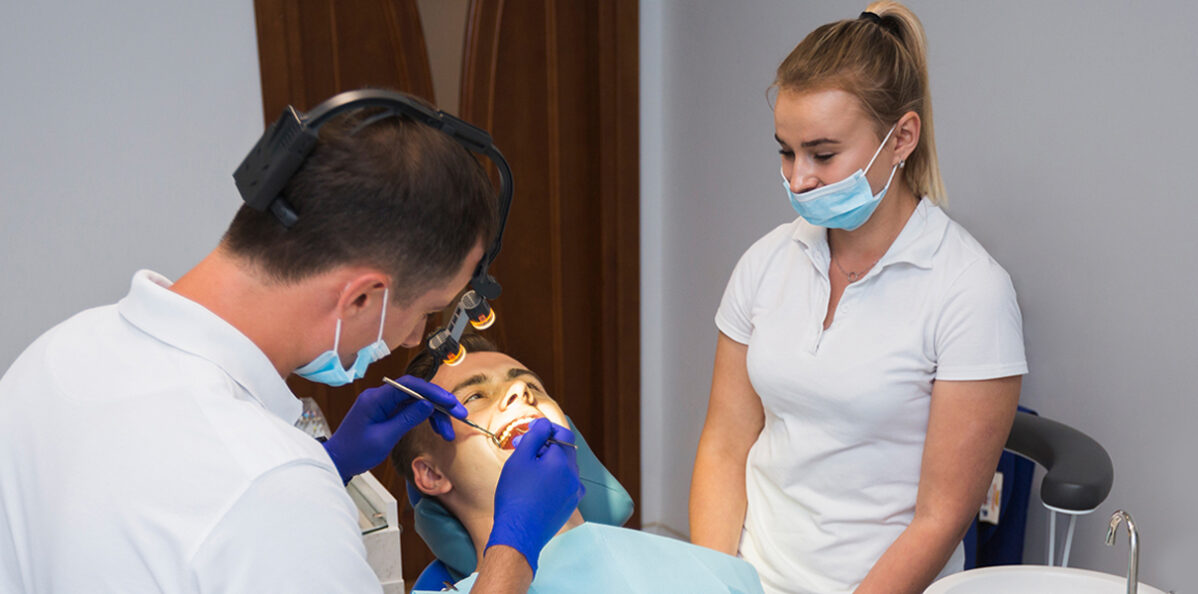
Becoming a great dental assistant takes more than just knowing your way around dental tools. It requires a nice combination of technical know-how and people-centric skills that shape how you work with both patients and the dental team. If you’ve ever wondered what skills do you need to be a dental assistant, this blog breaks it down clearly. We’ll explore the most important clinical and soft skills every dental assistant should develop—and why they matter.
1. Essential Clinical Skills for Dental Assistants
Dental assistants are the right hand of the dentist. The better your clinical skills, the smoother every appointment flows. Here are the core clinical skills every dental assistant should have:
- Chairside Assisting Techniques
You’ll need to anticipate the dentist’s next move. Hand instruments quickly. Keep the patient comfortable. Stay calm even during complicated procedures.
- Understanding Dental Procedures and Terminology
Know your terms. If a dentist says “composite filling,” you should already be setting it up. It saves time and shows your readiness.
- Radiograph Imaging (X-rays)
Taking accurate dental X-rays is essential. Patients rely on you for comfort, and dentists rely on you for precision.
- Instrument Sterilization and Infection Control
Clean tools aren’t just nice—they’re non-negotiable. Sterilization protects everyone in the office.
- Charting and Documentation Accuracy
A missed note or wrong tooth number can cause big problems. Accuracy is key when documenting patient records.
If you’re wondering, what skills do you need to be a dental assistant? This list covers the clinical side of that answer.
2. Key Soft Skills That Set You Apart
Now, let’s talk people skills. A dental office isn’t just tools and trays. It’s patients—some scared, some in pain, all needing care. That’s where soft skills come in:
- Communication
Be clear. Be kind. Be quick. Patients often don’t understand dental jargon. You’ll be their translator.
- Time Management and Multitasking
Ever prepped a room, answered a question, and calmed a nervous patient—within five minutes? That’s multitasking at its finest.
- Professionalism and Ethics
What happens in the operatory stays in the operatory. Maintain patient privacy. Show up on time. Keep your cool under pressure.
- Empathy and Patient Care
Some people hate the dentist. Your smile might be the one thing that helps them stay in the chair. That matters.
- Conflict Resolution and Adaptability
Double-booked patients? A last-minute emergency? Stay flexible. Be the calm in the storm.
These soft skills make a difference daily, especially in fast-paced clinics offering dental assistant skills in Houston, TX, where patients and staff come from all walks of life.
3. How to Build and Improve These Skills
No one’s born knowing how to suction properly or talk someone through a root canal. These skills are built step by step.
Here’s how to get better at both clinical and soft skills:
- Enroll in Accredited Programs
Training gives you structure. It’s where you learn the basics the right way. Look into trusted dental assistant schools in Houston, TX to start.
- Get Hands-On Experience
Theory is one thing. Real patients are another. Internships, externships, or shadowing experienced assistants will fast-track your learning.
- Take Continuing Education Seriously
Dentistry is always evolving. Stay sharp with courses and certifications. It shows your commitment to growth.
- Ask for Feedback
Got a moment between patients? Ask your dentist or senior assistant what you can improve. Feedback helps you level up.
- Practice Communication Skills Daily
Whether it’s your coworker or the patient, practice being clear and respectful. Even how you explain a delay can impact someone’s experience.
Little by little, you build confidence—and your future.
4. Why These Skills Matter to Employers and Patients
Let’s be real. Skills aren’t just for your resume. They affect everything in a dental office.
Here’s why these skills are gold:
- Patients Notice
They remember how you made them feel. Kindness and confidence go a long way in patient trust.
- Dentists Rely on You
The smoother you are, the faster and better the dentist can work. You’re a key part of patient outcomes.
- Teamwork Makes the Dream Work
Whether it’s restocking or covering for someone, your ability to work well with others boosts office morale.
- Efficiency Matters
A well-trained assistant saves time, reduces errors, and makes the day less stressful for everyone.
- You Stand Out in Interviews
When you can show both clinical and soft skills, hiring managers notice. You’re not just another resume—you’re the total package.
This is exactly what employers look for when hiring. And patients? They’ll be more likely to return and refer.
5. Long-Term Benefits of Mastering These Skills
So you’ve mastered the basics. What’s next? Plenty.
Here’s how your efforts pay off:
- Career Growth
You can move up. From senior assistant to EFDA (Expanded Functions Dental Assistant) to office management. Growth is possible.
- Better Pay
With more responsibility and skills comes more value—and higher wages.
- Job Security
Skilled assistants are always in demand. Dental offices want people who make things run smoothly.
- Confidence
Knowing what you’re doing, and doing it well, boosts your self-esteem. It shows in everything you do.
- Stronger Connections
Patients will ask for you by name. Dentists will rely on you. You’ll feel like part of something meaningful.
The longer you stay in the field, the more your skills pay you back—not just financially, but in fulfillment.
Final Thoughts
The best dental assistants blend precision with compassion. You’re not just cleaning tools or holding suction you’re calming nerves, building trust, and supporting a team. You’re making a real difference every single day.
Want to take your skills further? The Greatwood Dental Assisting Program offers real-world training that prepares you for success from day one.
How Long Is a Dental Assistant Program? Exploring Fast-Track and Traditional Options

Considering a career in dental assisting? One of the most common questions among aspiring dental professionals is how long is a dental assistant program, as understanding the time commitment is essential before pursuing this rewarding field. Whether you seek an accelerated path or a traditional route, knowing your options allows for informed planning. This blog will outline program durations, fast-track alternatives, and flexible learning opportunities designed to meet your goals.
Typical Duration of Dental Assistant Programs
Most dental assistant programs follow a fairly standard timeline. However, schools may vary slightly based on their curriculum structure and hands-on training hours.
- Standard Program Length: 9 to 12 months.
- Diploma Programs: Typically complete in under a year.
- Associate Degrees: May take up to 24 months.
The goal is not just to finish coursework but also to prepare for real-world clinical work. Programs balance theory with lab sessions and externships.
Why so long?
You’re not only learning dental terminology but also mastering infection control, patient care, X-ray techniques, and chairside assistance. This takes time and practice to ensure patient safety.
When choosing a program of dental assistant in Houston, TX, remember, longer doesn’t always mean better. What matters is the quality of training and support you receive.
Fast-Track Options: Weekend Dental Assistant Program
Not everyone can commit to a full-time weekday schedule. That’s where weekend programs come in—perfect for working adults or busy parents.
Benefits of Weekend Programs:
- Complete training in 10-12 weeks.
- Classes are held on Saturdays and Sundays.
- Balance between work, family, and education.
- Focused, accelerated learning with small class sizes.
These programs streamline the learning process by concentrating on essential, career-focused skills. Students receive thorough training in dental procedures, radiographic techniques, and office administration, all while maintaining their current professional commitments.
If you’re wondering whether fast-track means cutting corners, relax. Reputable schools maintain high standards while offering flexibility.
For instance, the dental assistant course in Houston, TX, often structures weekend sessions to mirror real dental office scenarios. This ensures graduates feel confident stepping into a dental practice.
Ultra-Fast Option: 10-Week Dental Assistant Program
For individuals seeking the quickest entry into the dental profession, the 10-week program offers an accelerated and impactful learning experience. Though rigorous, it provides substantial rewards in terms of skill development and career readiness.
What to Expect:
- Immersive learning environment.
- Classes are multiple times per week.
- Hands-on training from day one.
- Industry-recognized certification upon completion.
Such programs are designed for individuals who can dedicate full attention to training. They demand focus but deliver results in record time.
Imagine this—you start in January, and by March, you’re ready for entry-level dental assistant roles. Speed matters, but so does the depth of learning. Reputable schools strike this balance well.
Flexible Learning: Online Dental Assistant Programs
In today’s digital world, learning from home has become more common, and dental assisting is no exception. Online programs offer a hybrid model: theoretical classes online and hands-on labs in person.
Advantages of Online Programs:
- Study at your own pace.
- Access materials anytime.
- Save on commuting time and costs.
- Combine online learning with local externships.
Online programs work well for self-motivated learners. However, you must ensure the program includes practical experience. Virtual learning is excellent for theory, but dentistry demands hands-on practice.
When researching options, verify that online courses provide clinical rotations or externships at local dental offices.
This flexible path allows you to build skills without pressing pause on your current commitments.
What to Consider When Selecting a Dental Assistant Program
Choosing the right dental assistant program is more than just checking its duration. Several factors play a crucial role in your future success.
Key Points to Evaluate:
- Accreditation: Make sure the program is recognized by dental boards.
- Hands-On Training: Look for programs with clinical externships.
- Instructor Experience: Learn from seasoned dental professionals.
- Job Placement Support: Schools with strong placement records help you find work faster.
- Financial Aid Options: Explore payment plans or scholarships.
Ask yourself these questions:
- Does the program fit my schedule?
- Will I get enough hands-on practice?
- Are there opportunities for certification?
Investing in the right program means you’re setting up a solid foundation for your career. Don’t rush the decision—take time to visit campuses, speak to instructors, and read student reviews.
Final Thoughts
In summary, the length of a dental assistant program varies based on your preferred pace and learning style. Whether you choose a traditional year-long course, a fast-track weekend option, or an accelerated 10-week program, each path leads to a rewarding career in dental assisting. Take time to assess your goals and select a program that aligns with your future plans. If you’re ready to begin your journey with hands-on training and expert guidance, consider enrolling in the Greatwood Dental Assisting Program. Your new career starts with a single step—make it count and build a future you’ll be proud of.
What Education Is Required to Be a Dental Assistant? How to Get Started in This Career

Finding a rewarding career often begins with questions like what education is required to be a dental assistant and how to prepare for success. This field offers hands-on patient interaction and the chance to support a dental team while gaining practical knowledge. Understanding the educational steps can shape a clear path toward professional growth. Whether you prefer on-the-job training or more formal instruction, each option provides valuable skills that carry over into daily practice.
Prospective assistants can access various training methods, including classroom work and clinical opportunities. While one route involves in-depth courses, the other focuses on accelerated programs that blend theory with practical application. The main goal stays the same in each instance: you gain a solid foundation to excel in a busy dental environment. Explore these paths and discover which path fits your lifestyle and goals.
A Look at Typical Entry Requirements
Different regions uphold their regulations, which can influence the education needed for this role. Some employers accept those who learn directly on-site, while other offices expect diplomas or certificates. State guidelines also play a role. Programs often range from several weeks to a year, covering infection control, patient care, and specialized equipment use. After completing training, you might be eligible for exams that certify your competence.
Check whether the school has specific admission requirements—certain programs might need you to have a high school diploma or its equivalent before signing up. Others advise applicants to complete specific health requirements or background checks. This mix of requirements helps maintain public trust and ensures that students can confidently handle a clinical setting.
Why Classroom and Clinical Experience Matter
Working under real conditions often proves essential. Many states allow direct involvement in a dental setting while still studying. That approach fosters quicker skill development and stronger familiarity with instruments and procedures. Classroom sections generally cover anatomy, patient communication, and safety protocols. Engaging in practical tasks then ties that knowledge to real-world tasks.
For example, an instructor might discuss how to sterilize tools during a lecture. Later, you physically go through each step, wearing proper gear and following protocols. This seamless blend of theory and practice tangibly cements lessons. Graduates emerge ready to handle daily demands and meet employer expectations.
Mapping a Path to Certification
Credentials can boost credibility. Earning them sometimes involves passing an exam recognized by state boards or professional organizations. Certain places require all newcomers to pass a test, ensuring consistent standards among regional assistants. Whether the exam is optional or mandatory, it often focuses on core knowledge like radiology, chairside techniques, and legal compliance.
This certification can signal readiness to potential employers. You distinguish yourself by holding documented proof of competence and opening doors to broader career options. While not every office demands certification, the extra step may strengthen long-term stability in your chosen path. In many ways, the question of what education is required to be a dental assistant intertwines with whether you want to formalize your credentials.
Accessing Programs That Fit Your Life
Searching for suitable training can feel daunting, but plenty of choices exist. Many institutions offer short-term classes with flexible schedules. Online modules or evening sessions help you balance other responsibilities. If you reside in a big city, the location may be convenient. Those looking for a local option might search for dental assistant programs near you to locate flexible offerings nearby.
Look at each program’s curriculum and support services. Are internship placements part of the package? Do they guide you in exam preparation or offer job placement assistance? Answering these questions helps refine your list. Recognizing your learning style and scheduling needs leads you to a program that motivates and challenges you at the right pace.
Considering a Thriving Market
Opportunities often abound in areas with large populations. A role such as a dental assistant in Houston, TX, highlights the strong demand for this career in rapidly growing urban areas. New offices arise to serve expanding communities, leading to a steady need for well-trained helpers. Working in these bustling clinics hones your adaptability because each day brings a varied set of tasks and patient needs.
Your responsibilities include handling front-office tasks alongside clinical duties. Some days involve comforting anxious visitors, while others see you assisting with complex treatments. This variety keeps things dynamic, simultaneously refining your communication skills and technical know-how. Over time, your experience builds, making you an even more valuable asset.
Emphasizing Soft Skills Along the Way
Many view dental assisting as a stepping stone to other careers, such as office management or dental hygiene. The foundation you build as an assistant can help you advance your career. Understanding the clinic’s dynamics contributes to your growth.
As you become comfortable with basic tasks, consider exploring advanced procedures or taking additional courses. This can lead to specializations or leadership roles. Staying open to continuous learning allows your career to evolve in unexpected ways.
Planning for the Future
Many view dental assisting as a stepping stone to other careers, such as office management or dental hygiene. The foundation you build as an assistant can help you advance your career. Understanding the clinic’s dynamics contributes to your growth.
As you become comfortable with basic tasks, consider exploring advanced procedures or taking additional courses. This can lead to specializations or leadership roles. Staying open to continuous learning allows your career to evolve in unexpected ways.
Support from a Trusted Source
The idea of formal training might still feel overwhelming. That is where a well-rounded program comes into play. Institutions like the Greatwood Dental Assisting Program focus on building skill sets suitable for real-world office environments. From day one, you receive guidance from experienced professionals committed to your growth. You also learn how to handle instruments properly, maintain sterilization, and communicate with diverse patients.
This structured approach builds confidence step by step, pairing essential theory with direct practice. By the end, the once-intimidating notion of assisting a dentist no longer feels out of reach. Instead, you emerge feeling prepared and energized, poised to enter a field that merges personal interaction with medical support.
Conclusion
When you wonder what education is required to be a dental assistant, the answer ranges from on-the-job exposure to more extensive academic programs. Your path may include formal classes, certification exams, or advanced specialized training. Each approach grounds you in foundational knowledge and practical experience, readying you for a vital role in oral healthcare.
Opportunities exist in thriving places that need dedicated staff, such as dental assistants in Houston, TX, and many choose local schools by searching for dental assistant programs. Whether you start with a short course or enroll in an in-depth certification track, the journey combines technical skills, genuine compassion, and team collaboration. Focusing on these elements creates a solid platform for career success and enriches every patient visit.
What Qualifications Do You Need to Be a Dental Assistant? Exploring Entry-Level Requirements
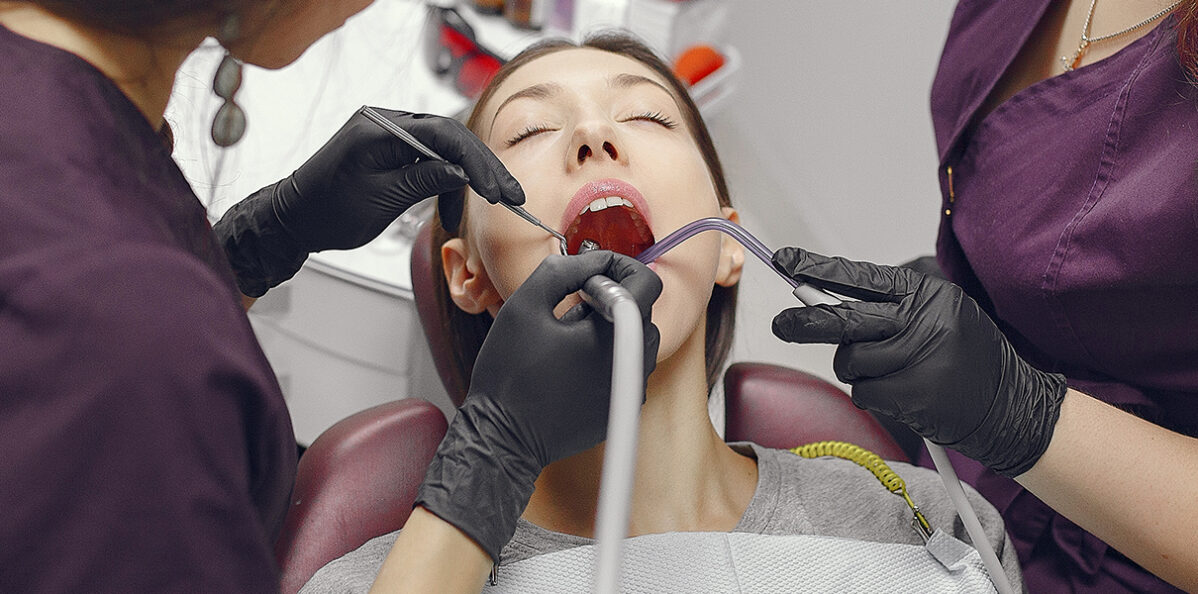
Dental assisting offers a rewarding career path, enabling you to support patients and contribute to their long-term oral health. It provides a chance to work in a professional healthcare setting without requiring years of schooling. If you’re considering this career, understanding what qualifications do you need to be a dental assistant can help you start on the right path.
Education and Training Requirements
Most beginner positions require candidates to have a high school diploma or GED. Some dental offices provide on-the-job training, but many prefer candidates who have completed formal education through dental assistant programs near me. These programs typically offer hands-on training in clinical and administrative duties, preparing students for the workforce.
Key Areas Covered in Training:
- Dental terminology and procedures
- Infection control and sterilization techniques
- Chairside assisting and patient care
- X-ray processing and safety guidelines
- Dental office administration
- Dental material handling and impressions
- CPR and emergency management in dental settings
- Legal and ethical considerations in dental practice
Certification and Licensing
While some states do not require certification, earning one can boost career opportunities. Many employers seek candidates with the Certified Dental Assistant (CDA) credential from the Dental Assisting National Board (DANB). Some states also require licensing for specific procedures like radiology.
Steps to Become Certified:
- Complete a certified dental assisting program or gain practical experience to qualify for the role.
- Pass the DANB exam.
- Maintain certification through continuing education courses.
- Obtain necessary state-specific permits for additional dental procedures.
- Stay updated with new dental technologies and industry trends.
In some states, additional training is necessary for expanded duties, such as polishing teeth, applying sealants, or assisting in specialized procedures like orthodontics.
Skills Needed for Success
A dental assistant works closely with dentists and patients, so technical and interpersonal skills are equally important. Here are some essential skills:
- Attention to Detail – Ensures accuracy in procedures and patient records.
- Manual Dexterity – Assists with instruments and procedures efficiently.
- Communication Skills – Helps patients feel at ease and conveys instructions.
- Organizational Skills – Manages scheduling, records, and sterilization protocols.
- Compassion and Patience – Support patients with anxiety about dental procedures.
- Multitasking Abilities – Handles various administrative and clinical duties effectively.
- Adaptability – Works efficiently in fast-paced environments.
Work Environment and Career Outlook
Dental assistants work in private dental practices, specialty clinics, or public health facilities. The job market for qualified professionals continues to expand, with high demand in metropolitan areas like Houston.
A search for dental assistant jobs in Houston, TX, reveals multiple job opportunities with competitive salaries and career advancement potential. With additional training, dental assistants can transition into roles such as office managers, dental hygienists, or educators.
Job Growth and Opportunities:
- The demand for dental assistants is expected to increase steadily in the coming years.
- Specialized roles in orthodontics, pediatric dentistry, and periodontics offer further opportunities.
- Some assistants advance into administrative positions within dental offices.
- Continuing education can lead to expanded functions in patient care.
- Opportunities in research, dental product sales, and training programs.
Enrolling in a Training Program
The quality of your training program directly impacts your skills and career growth. Institutions like the Greatwood Dental Assisting Program provide structured coursework, hands-on practice, and internship opportunities. Programs can vary from a few months to a year, depending on state requirements.
Factors to Consider When Choosing a Program:
- Accreditation and reputation
- Curriculum and hands-on training opportunities
- Job placement support and externship options
- Tuition and financial aid availability
- Industry partnerships for employment connections
- Access to modern dental technology and equipment
- Reviews and testimonials from past students
Daily Responsibilities of a Dental Assistant
Understanding daily duties can help prepare for the role. Typical responsibilities include:
- Assisting the dentist with various procedures
- Preparing examination rooms and sterilizing equipment
- Taking and developing dental X-rays
- Educating patients on oral hygiene techniques
- Maintaining patient records and appointment schedules
- Maintaining compliance with health and safety regulations to prevent infections
- Assisting with dental impressions and laboratory work
- Managing dental supplies and inventory
- Coordinating with insurance providers for patient claims
These tasks require efficiency and adaptability, making every day different for a dental assistant.
Advantages of Becoming a Dental Assistant
This career offers numerous benefits, including:
- Short Training Period – Many programs can be completed in under a year.
- Job Stability – There is a high demand for dental assistants in various settings.
- Flexible Work Schedules – Options for part-time or full-time roles.
- Opportunities for Career Growth – Possibility to advance into specialized fields.
- Rewarding Work – Direct interaction with patients and healthcare professionals.
Conclusion
A career as a dental assistant offers stability, growth potential, and a chance to help patients daily. Whether entering the field through on-the-job training or enrolling in dental assistant programs near me, acquiring the right qualifications can lead to a fulfilling profession. Pursuing certification and developing essential skills can enhance career prospects in this growing industry. With the proper training and experience, a dental assistant can play a key role in ensuring smooth dental office operations and quality patient care.
What’s the Next Step After Dental Assistant? How to Transition into Specialized Roles

Starting as a dental assistant is a significant milestone in the dental industry. It’s a role that balances technical expertise with patient care, creating a dynamic and fulfilling career. But many dental assistants wonder, what’s the next step after dental assistant? With the right guidance, this foundation can open doors to advanced and specialized roles in dentistry.
Recognizing the Value of Your Experience
The skills and knowledge you’ve gained as a dental assistant are invaluable. They don’t just prepare you for your current role—they lay the groundwork for growth. Your ability to support dentists, work closely with patients, and manage day-to-day operations equips you with transferable skills that are crucial for advancement.
Key Skills That Set You Apart:
- Patient interaction: You know how to make patients feel comfortable and informed, which is essential in any dental role.
- Technical expertise: From sterilizing instruments to assisting in procedures, you’ve honed a range of technical skills.
- Team collaboration: Working seamlessly with dentists and staff shows your adaptability and ability to thrive in team settings.
Recognizing the value of these experiences can help you confidently pursue specialized roles. Remember, each step you’ve taken so far has brought you closer to reaching your goals.
Exploring Specialization Options
The dental field offers a varied range of career paths, many of which allow you to focus on specific interests. Here’s a closer look at some popular options:
-
- Dental Hygienist:
If you enjoy patient education and preventive care, this role may be perfect. Hygienists focus on cleanings, gum health, and oral hygiene education, often working independently with patients.
-
- Expanded Function Dental Assistant (EFDA):
EFDAs have advanced responsibilities, such as placing fillings and taking impressions. This role often requires additional training but allows you to perform more hands-on procedures.
-
- Orthodontic Assistant:
If orthodontics fascinates you, this specialization involves working closely with patients undergoing braces or aligner treatments. You’ll assist in adjustments, fittings, and patient education.
-
- Oral Surgery Assistant:
This role is ideal if you’re interested in surgical procedures. Responsibilities include preparing patients, sterilizing surgical tools, and assisting during complex oral surgeries.
-
- Dental Practice Manager:
For those drawn to administrative and leadership tasks, managing a dental office involves overseeing scheduling, finances, and team operations. It’s a great option for those with strong organizational skills.
Each role offers unique responsibilities and rewards. Take time to research and reflect on what aligns with your interests and long-term goals.
Education and Certification Requirements
Transitioning into a specialized role often requires further education or certifications. Fortunately, many programs are designed to accommodate working professionals, making it easier to balance learning with your current job.
Here’s a breakdown of common requirements:
- Dental Hygienist: Programs typically last 2-3 years and are available at community colleges or universities. They provide the technical and clinical skills needed for licensure.
- EFDA Certification: Depending on your state, you may need to complete a short-term course focusing on advanced assisting techniques.
- Orthodontic Assistant Training: Specialized courses or certifications focus on orthodontic care, including working with braces and aligners.
- Oral Surgery Certification: Some assistants gain experience on the job, but formal certification can give you an edge in this competitive field.
- Practice Management Training: Online or in-person courses can help you build skills in office administration, financial management, and leadership.
If you’re looking for local options, consider enrolling in a dental assistant school in Sugar Land, TX, which offers programs tailored to these advanced roles.
Advantages of Advancing Your Career
Why should you consider moving beyond your current role? Advancing your career as a dental assistant comes with numerous benefits, both professional and personal.
Benefits to Look Forward To:
- Higher Salary: Specialized roles often come with a significant pay increase, reflecting your expertise and responsibilities.
- Job Security: With specialized training, you become indispensable in a growing field.
- Career Fulfillment: Stepping into a role that aligns with your passion can make your work more rewarding.
- Improved Patient Impact: Specialized skills allow you to provide a higher level of care, making a lasting difference in patients’ lives.
For instance, transitioning to an orthodontic assistant role means guiding patients through their treatment journey. The satisfaction of seeing a patient’s confidence grow with their new smile is unmatched.
Tips for a Smooth Transition
Making a career change can feel overwhelming, but with the right approach, it becomes manageable. Here are some actionable tips to help you transition into a specialized role:
- Connect with Industry Experts: Networking with professionals in your desired field can offer valuable insights and advice. Attend local dental events or join online forums.
- Seek Mentorship: Find a mentor who has experience in your chosen specialty. They can provide guidance and support as you navigate the process.
- Gain Practical Experience: Shadow a specialist or volunteer for additional responsibilities at your current job to get hands-on exposure.
- Explore New Job Opportunities: Search for dental assistant jobs in Sugar Land, TX, that offer room for growth or training opportunities in your preferred specialty.
- Invest in Continuous Learning: Don’t hesitate to take online courses or attend workshops to build the skills needed for your new role.
Remember, every small step counts. Whether it’s attending a seminar or updating your resume, each effort brings you closer to your goal.
Conclusion
Advancing your career beyond dental assisting is an exciting journey with endless possibilities. By exploring specialized roles, investing in education, and taking strategic steps, you can unlock new opportunities and achieve greater fulfillment. At the Greatwood Dental Assisting Program, we’re here to support you in making this transition seamless. Take the next step today—you’re closer than you think to shape a brighter future in dentistry.